


Tanzania Volunteer Teaching Trip | Unexpected Encounters, Meaningful Chats
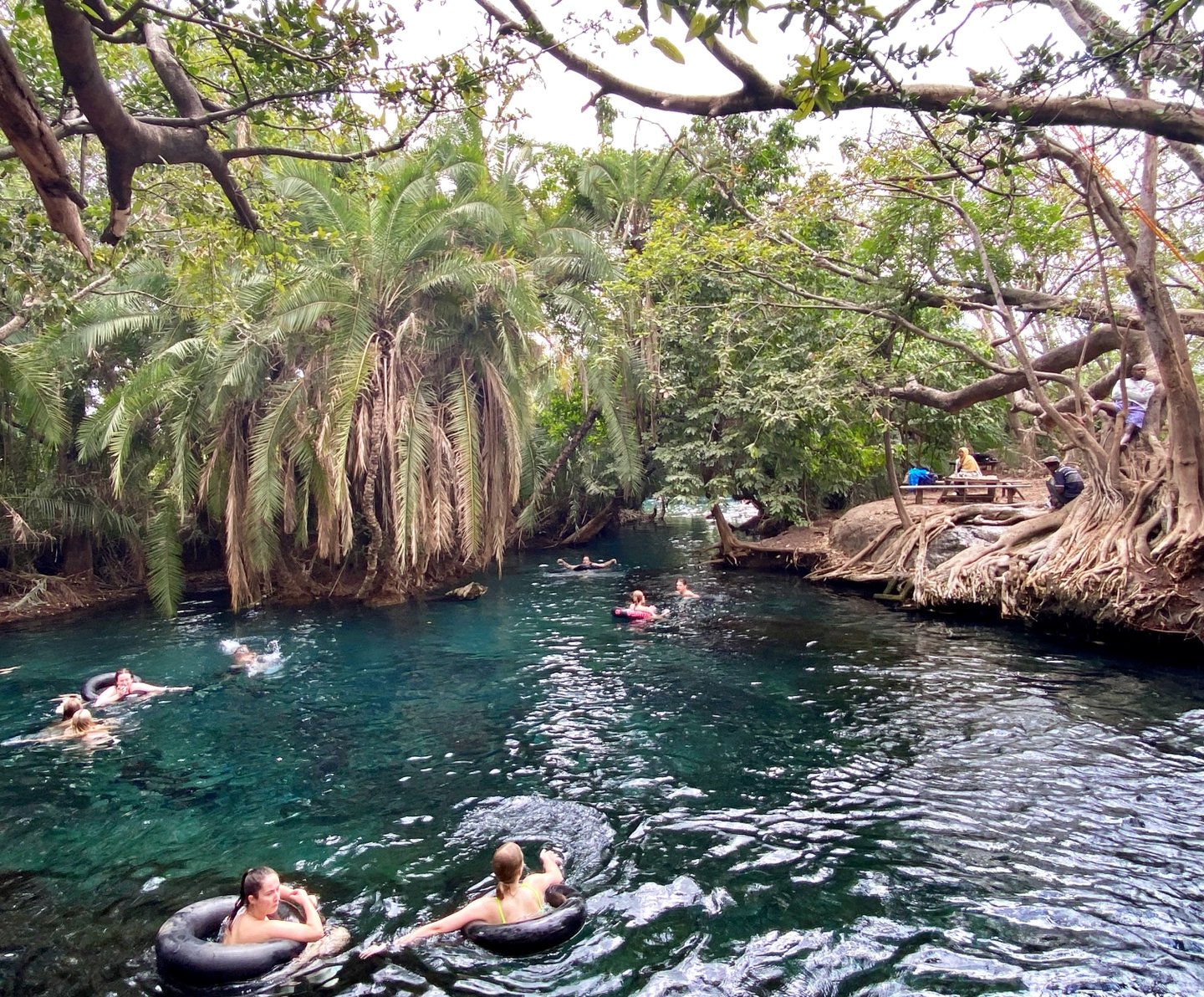
The second day of our weekend journey was woven together not by places, but by people. Beside the turquoise waters of Chemka Hot Springs, I listened as my friend from Seychelles spoke about her life, her family and her work. Later that day, two eighteen-year-old volunteers from Mexico reminded us that making children smile could sometimes mean a lot more than we know.
If you haven’t read the earlier parts yet, you can catch up here:
→ Travelling from Hong Kong to Arusha (IVHQ Experience)
→ The Three Rafikis
→ My First Day as Teacher
→A Girls’ Night That Meant More Than I Expected
→Moshi Village Coffee and Ancient Underground Caves
A Heart-to-Heart with My Friend from Seychelles
We ended up chatting for quite a while, and before long I discovered that we were the same age—and both Pisces.
She spoke openly about her marriage, her young daughter and the career she had built for herself, with a kind of honesty that made conversations with her feel effortlessly easy. She had a wonderfully bold personality: witty, outspoken, and never afraid to say exactly what was on her mind. Every now and then she'd throw in an unexpectedly cheeky, adults-only joke that would leave the rest of us laughing in disbelief.
Back home in Seychelles, she works as a manager for a company specialising in offshore accounts. Some of her clients are from Hong Kong, yet somehow I was the first Hongkonger she had ever met in person.
Although many people in Seychelles earn relatively modest incomes, she is paid in US dollars, which, by local standards, puts her in a rather fortunate position. She enjoys treating her daughter to special experiences and little luxuries, but she's equally determined to remind her that none of it comes for free—that every opportunity is the result of years of hard work, and should never be taken for granted.
Even while travelling, she was constantly replying to work emails, stealing a few quiet moments between activities to keep everything running back home. Yet despite the demands of her job, she still chose to spend her annual leave volunteering in Tanzania.
Watching her quietly balance ambition, responsibility and generosity made me reflect on something simple: gratitude often isn't about having less or more. It's about remembering how much we already have, and choosing to give something back whenever we can.
A Conversation with a U.S. Marine
While the two of us were deep in conversation, comparing our travel plans and swapping stories about Japan, a tall, broad-shouldered man at the next table suddenly leaned over.
'Sorry to interrupt,' he smiled. 'I couldn't help overhearing you talking about Japan.' He was planning a trip there later in the year and wondered if we had any recommendations.
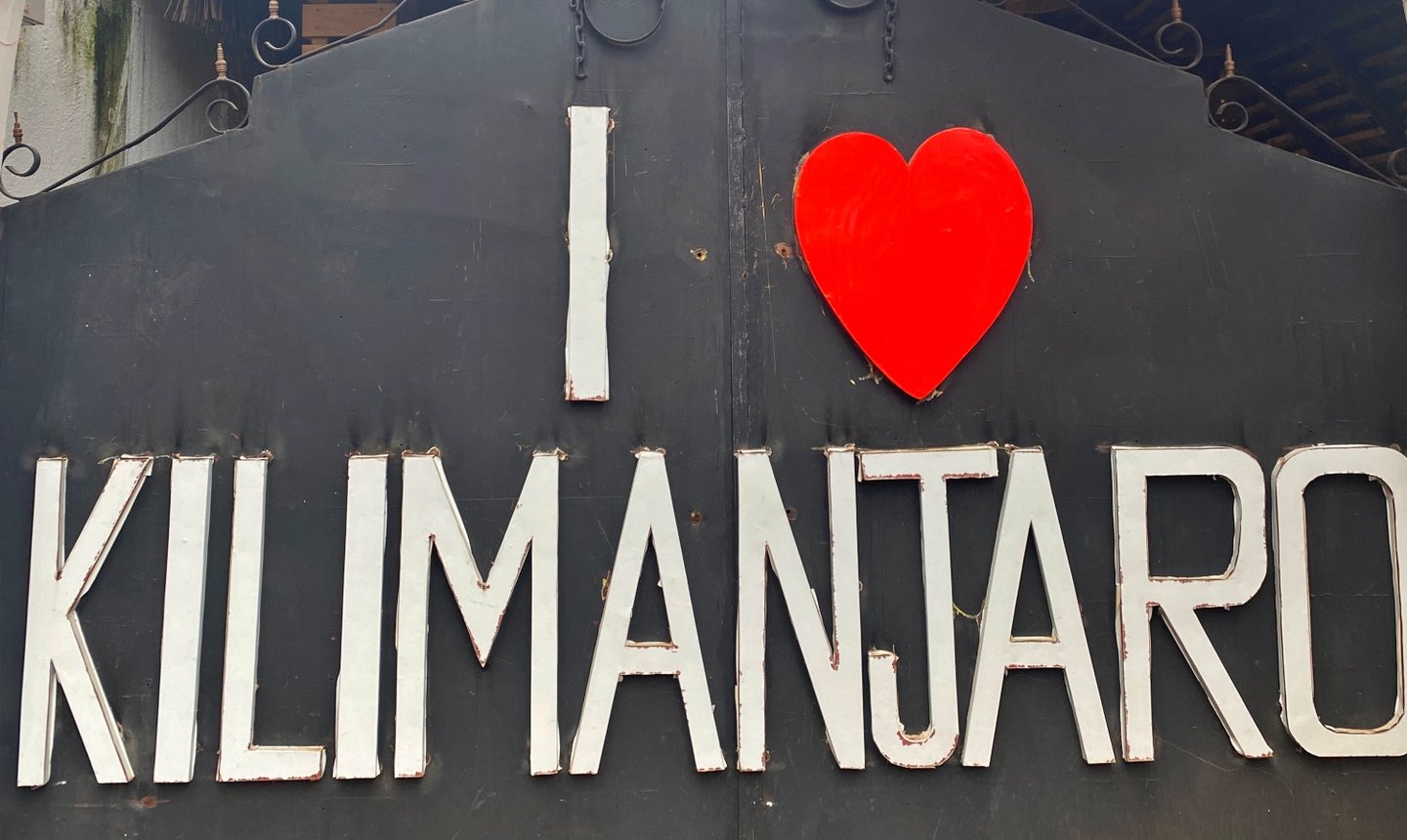
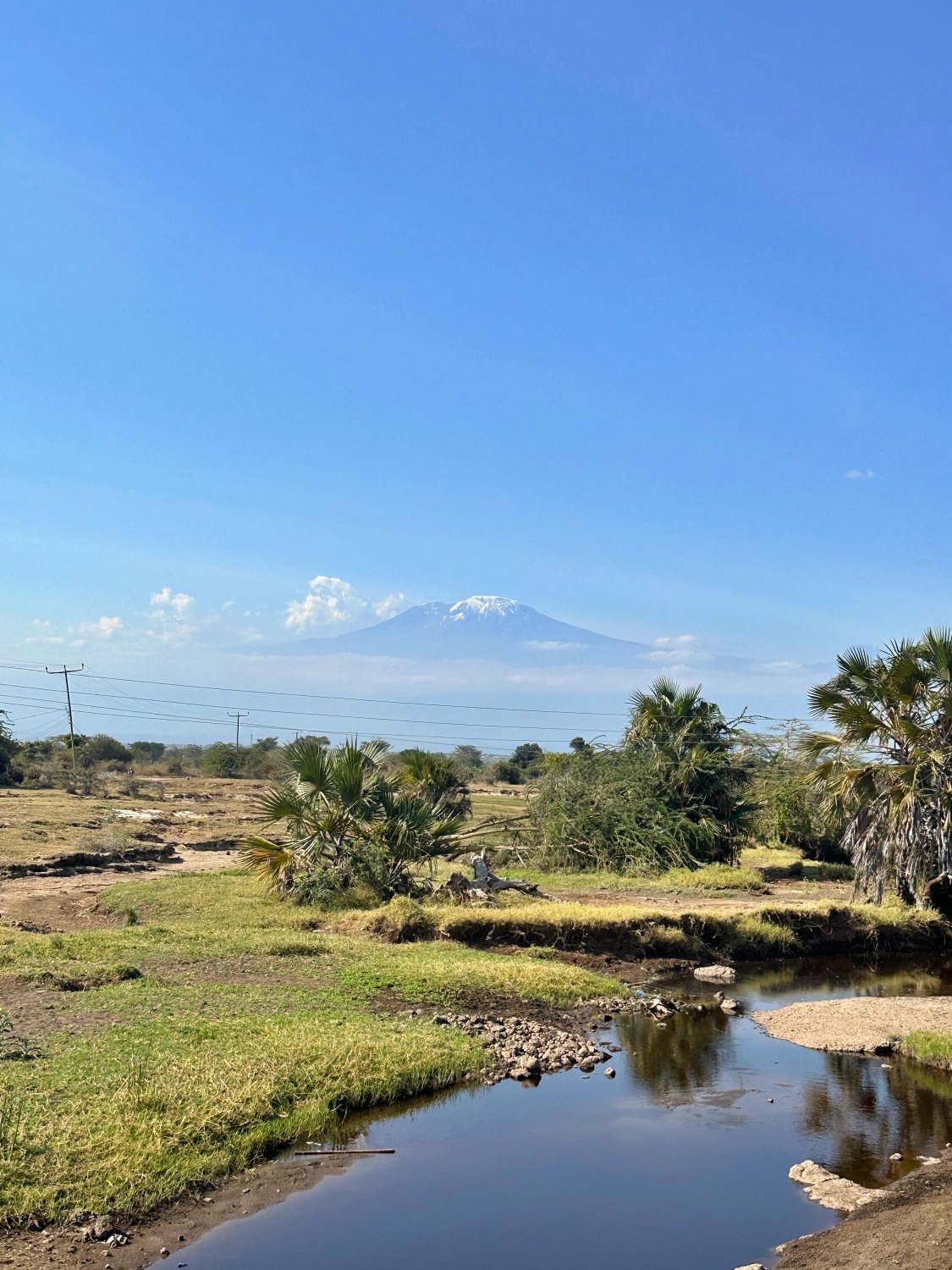
Not long afterwards, the Indian girl and the English girl returned from the hot springs, and before we knew it, our table had grown into an unlikely little gathering of strangers. He introduced himself as a U.S. Marine currently stationed in Pakistan. Tanzania was simply where he had chosen to spend his leave. He had already completed Mount Meru and was preparing to tackle Mount Kilimanjaro next.
Moments like these always make me wonder what draws people halfway across the world to the same place. Some come to test themselves against nature. Some come looking for perspective, or gratitude. Others simply want to step beyond the familiar and see who they might become. Perhaps none of us were really travelling for the same reason.
Yet somehow, in a small restaurant in Arusha, it didn't seem to matter. Conversations flowed as though we had known one another for years. We shared stories over dinner, laughed more than I expected, and when it was time to leave, we exchanged a few warm goodbyes before continuing on our separate journeys. Sometimes, that's all travelling is—a brief crossing of paths, before life quietly carries everyone in different directions again.
Watching these young volunteers also made me reflect on my own eighteen-year-old self. I admired them deeply. At eighteen, they had already travelled to places I had barely heard of. They spoke with people from different cultures as naturally as breathing, and carried a confidence that only comes from seeing more of the world.
When I was eighteen, my world felt much smaller. I believed life was a straight line: public exams, university, graduation, then finding a respectable job and chasing whatever society happened to define as success. No one had really told me that there were other ways to grow.
If I could go back and say one thing to that younger version of myself, it would simply be this:
Be brave enough to leave.
Wander further than you think you should.
Make mistakes.
Meet people whose lives look nothing like your own.
Because the world is so much bigger than you can imagine.
And one day, you'll realise that the places you travelled were never what changed you.
It was the people you met along the way.
Check out the next chapter of my journey→: The Night We Shared Our Stories
Lessons from Two Girls from Mexico
Back at the hotel that evening, I noticed a few unfamiliar suitcases outside our room. New volunteers had arrived.
After dinner, two girls gently walked into the room to introduce themselves. They were from Mexico and they were only eighteen years old. Yet there was something remarkably grounded about them. They carried themselves with quiet confidence, spoke with genuine warmth, and seemed far older than their age. They had already spent five weeks in Tanzania, living with a host family before moving into the hotel for their final night. They had also just returned from climbing Mount Kilimanjaro.
When the Indian girl heard they had also been teaching in local schools, she immediately began asking questions. After our rather chaotic first day, we were all desperate for some reassurance that things would eventually make sense.
One of the girls smiled knowingly. 'I completely understand how you feel,' she said. 'I felt exactly the same at first. Eventually I realised that our role here isn't to change the education system. Sometimes, simply making the children smile is already enough.'
She explained that many children attended school because there was no one at home to look after them during the day. Some struggled to follow lessons; others simply wanted someone to spend time with.
'I even taught them a little Spanish,' she laughed. 'They absolutely loved it.' Her words lifted something from all of us.
Before coming to Tanzania, I had some expectations on myself. I wanted to contribute something meaningful, something that would somehow justify travelling all this way. But perhaps I had misunderstood what 'helping' really meant. Sometimes we imagine that changing lives requires extraordinary effort. Yet perhaps a smile, a game, or a conversation remembered years later can matter more than we realise.