
Tanzania Volunteer Teaching Trip | Moshi Village Coffee and Ancient Underground Caves
On the weekend, with no school duties, I joined two new volunteer friends, an Indian girl and a girl from Seychelles, for a two-day trip to Moshi Village. From the long wait at dawn, to stepping into century-old underground caves, standing before a mountain waterfall, and ending with a late-night cultural conversation with a British teacher, the day took us out of the classroom but kept the learning very much alive.
If you haven’t read the earlier parts yet, you can catch up here:
→ Travelling from Hong Kong to Arusha (IVHQ Experience)
→ The Three Rafikis
→ My First Day as Teacher
→A Girls’ Night That Meant More Than I Expected
African Time Has Its Own Rhythm
We were supposed to meet at half past six in the morning, but the coach was nowhere to be seen and there was no update from the tour organiser. We simply waited in the dorm as the sky slowly brightened and the sun rose fully. It was only at eight o’clock that we finally received a message saying the coach needed a new battery and the shops were not yet open.
If it happened in Hong Kong, someone would probably have started complaining loudly, demanding refunds or compensation. Here, no one raised their voice. Everyone just waited quietly, as if they were used to this kind of pace. Standing there, I realised that African time moves to its own rhythm, and there was no point in getting impatient.
After some delay, the coach finally arrived and we set off. The three-hour journey was so bumpy that proper sleep was impossible. I spent most of it half-dozing, swaying along with the motion until we reached our destination.
An Authentic Coffee Experience
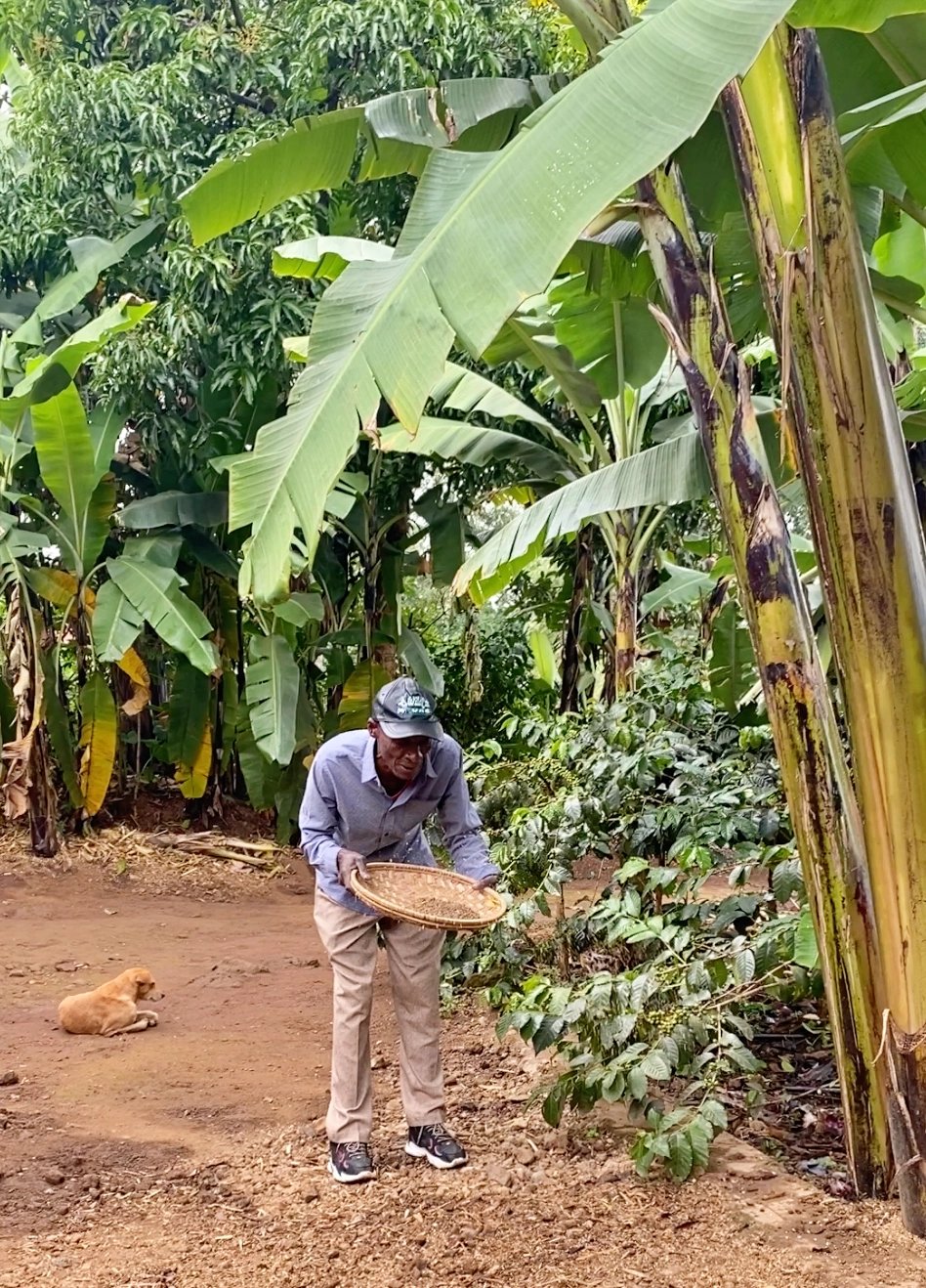
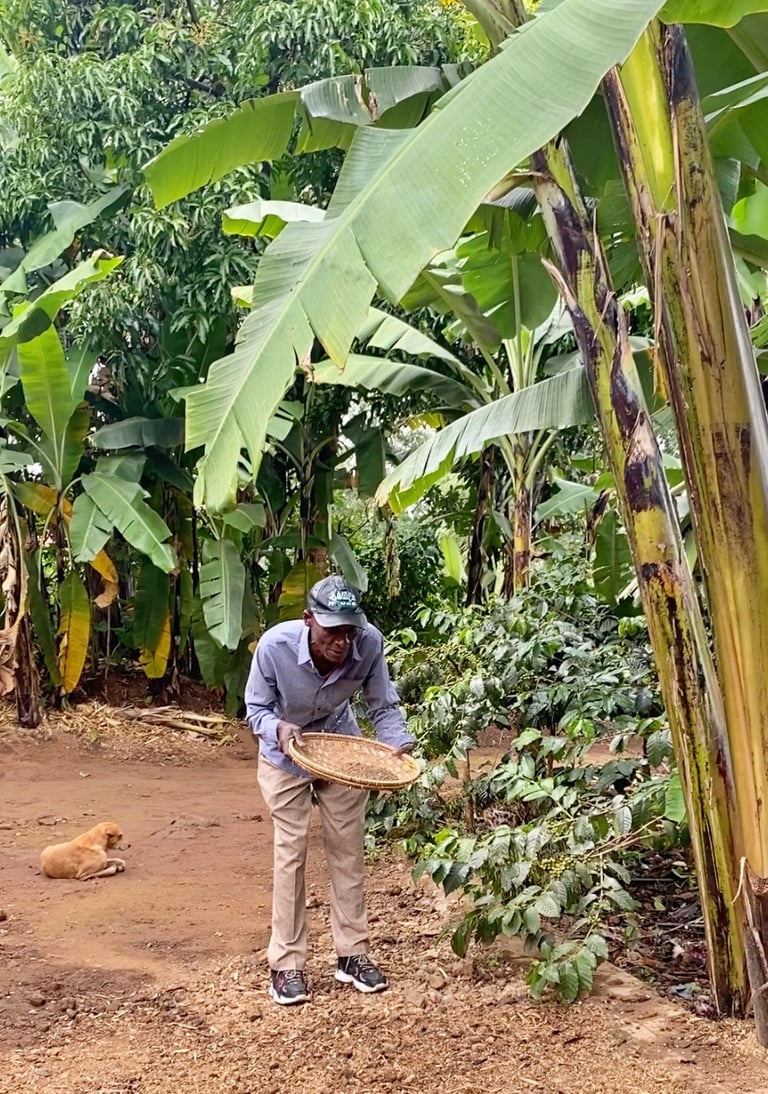
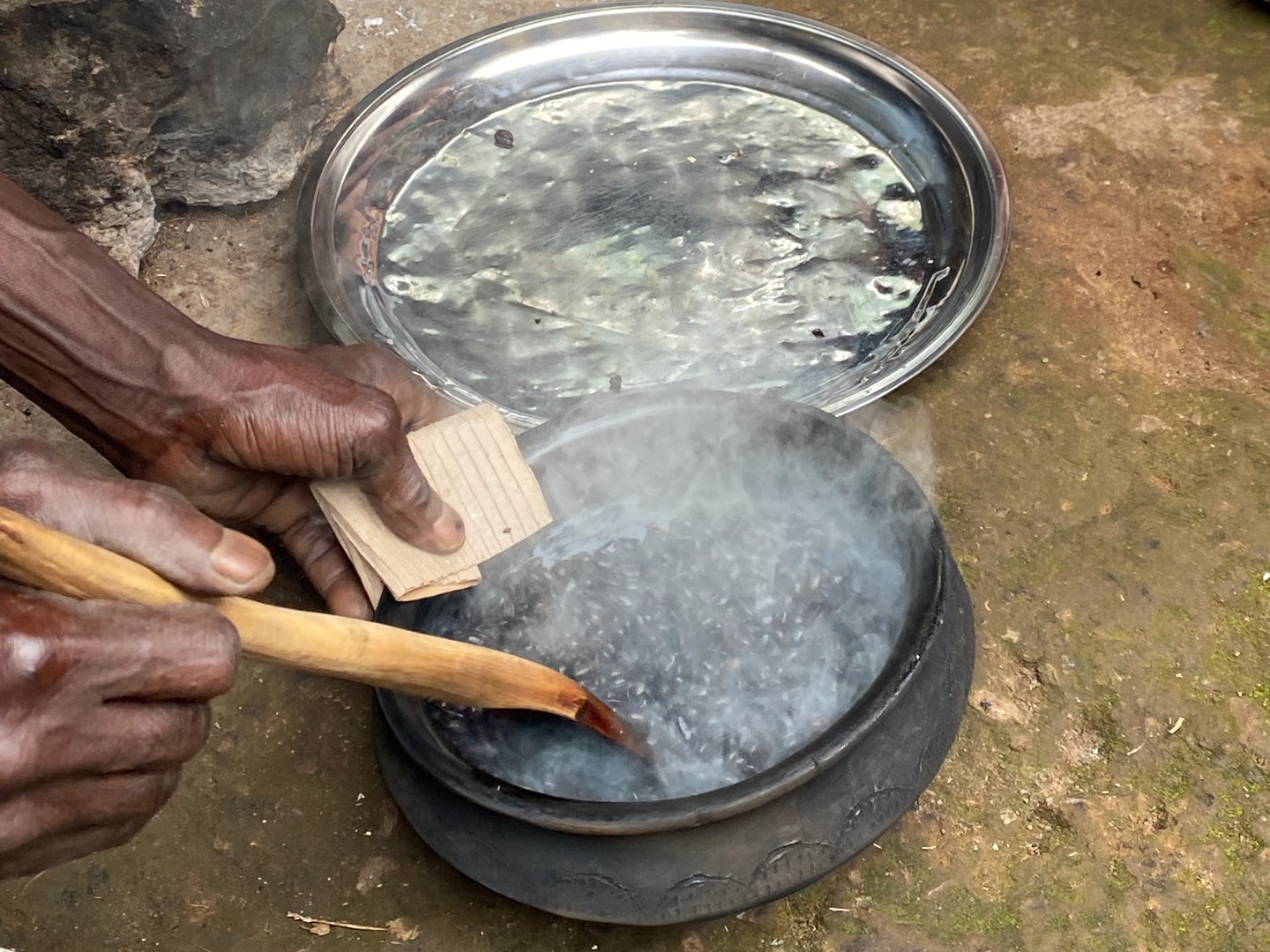
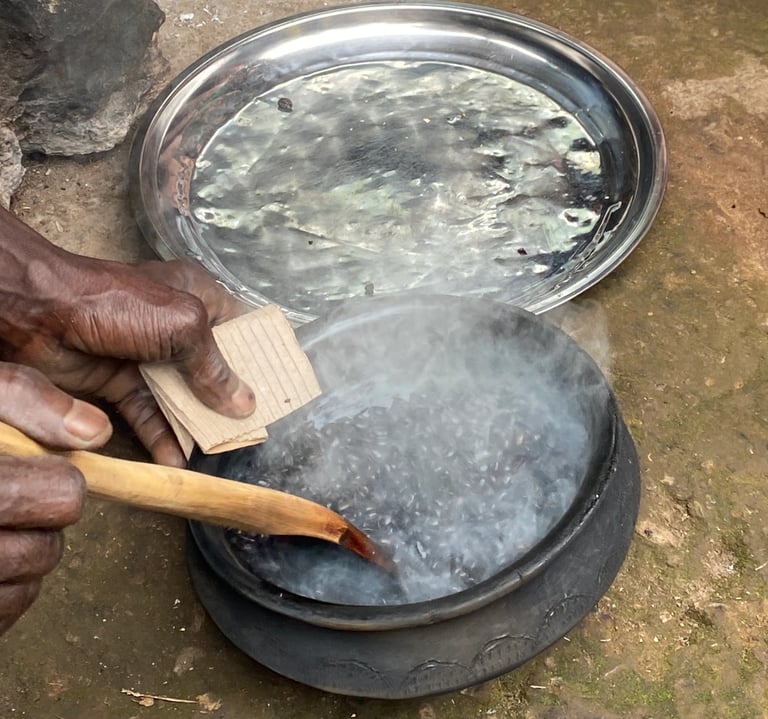
Our first stop was to watch how local people make coffee.
We were greeted by a slim, older man who looked full of energy. He demonstrated every step himself, from picking the beans to grinding, roasting, brewing, and finally serving the coffee. His movements were smooth and confident, and he sang traditional songs with an infectious African rhythm throughout, turning the whole process into a lively performance.
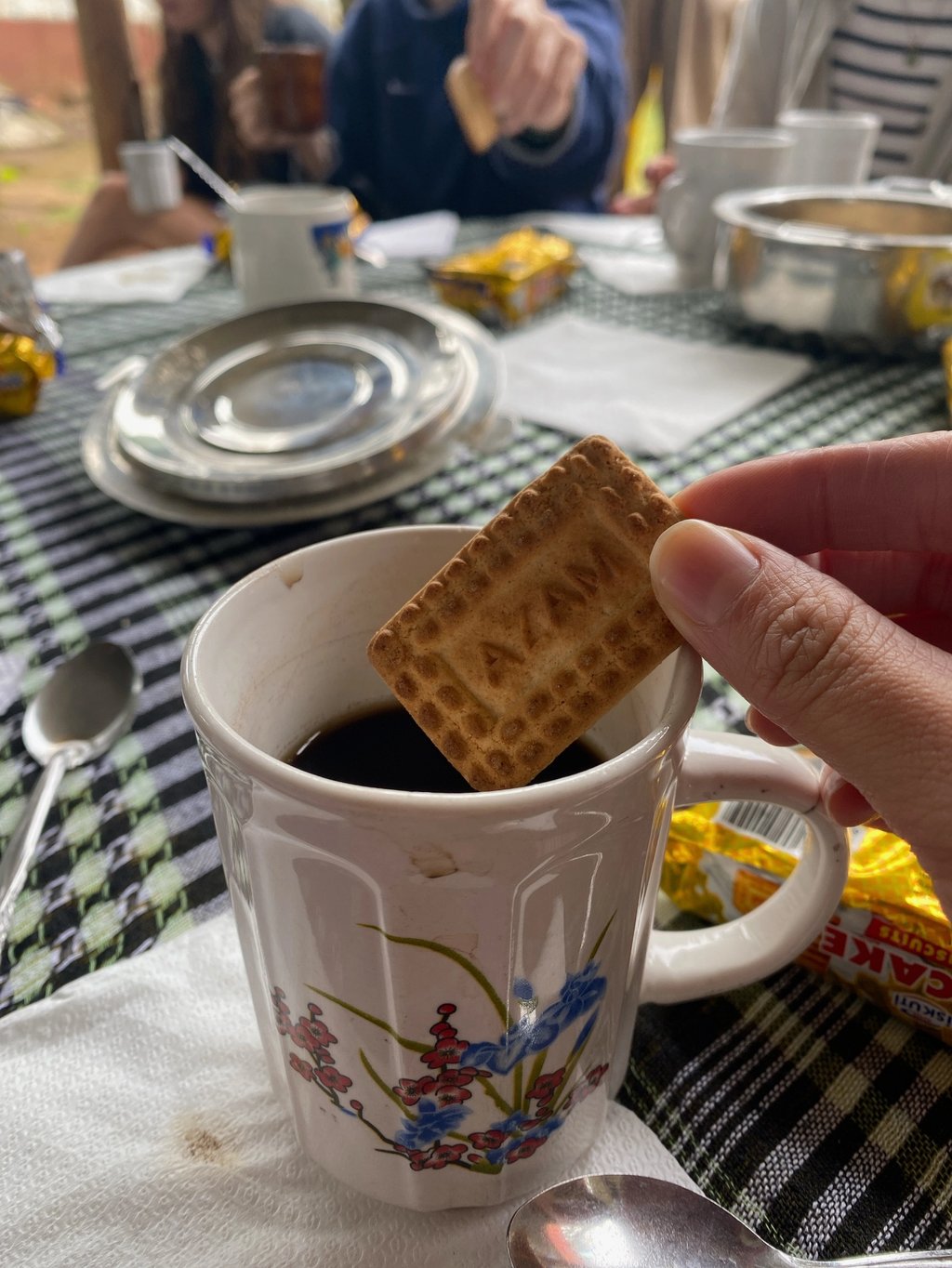
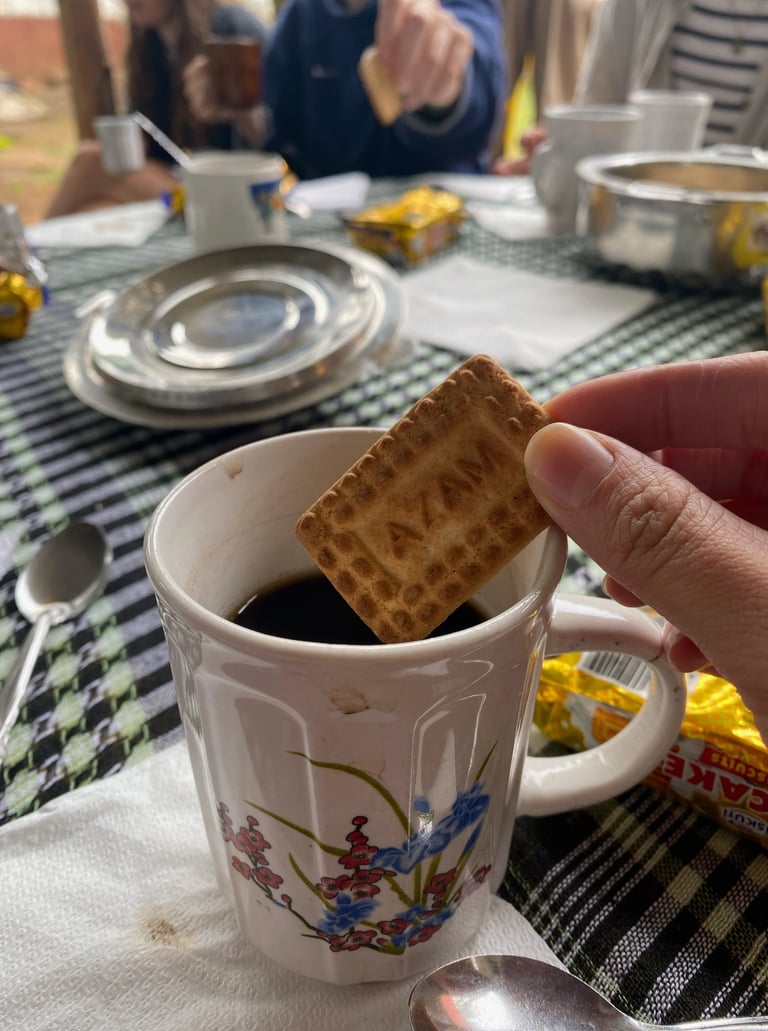
After the demonstration, we gathered around a table to taste the coffee he had prepared. They drank it black, adding a few spoons of sugar if it was too bitter, and pairing it with a simple biscuit. Following local custom, I took a few sips. The strong, hot coffee quickly woke me up and eased the sleepiness from our early start.
Fun fact: Moshi means 'smoke' in the local language. The village earned its name from the plumes of smoke that rise when coffee beans are roasted.
A Late-Night Cultural Chat
In the evening we arrived at our accommodation. Because of uneven numbers, the staff wanted to split our group of three into a double and a quadruple room, meaning one of us would have to join another group. Usually I would volunteer to go alone to avoid causing trouble. This time, however, my two friends firmly told the staff, 'We are not leaving any of our friends behind. Do you have any rooms for three? Or we can ask another girl to join us.'
I felt a quiet wave of warmth. I am so used to putting myself last that I sometimes forget it is okay to stand up for what I want. Their words felt like a gentle reminder that it is alright to ask for what you need.
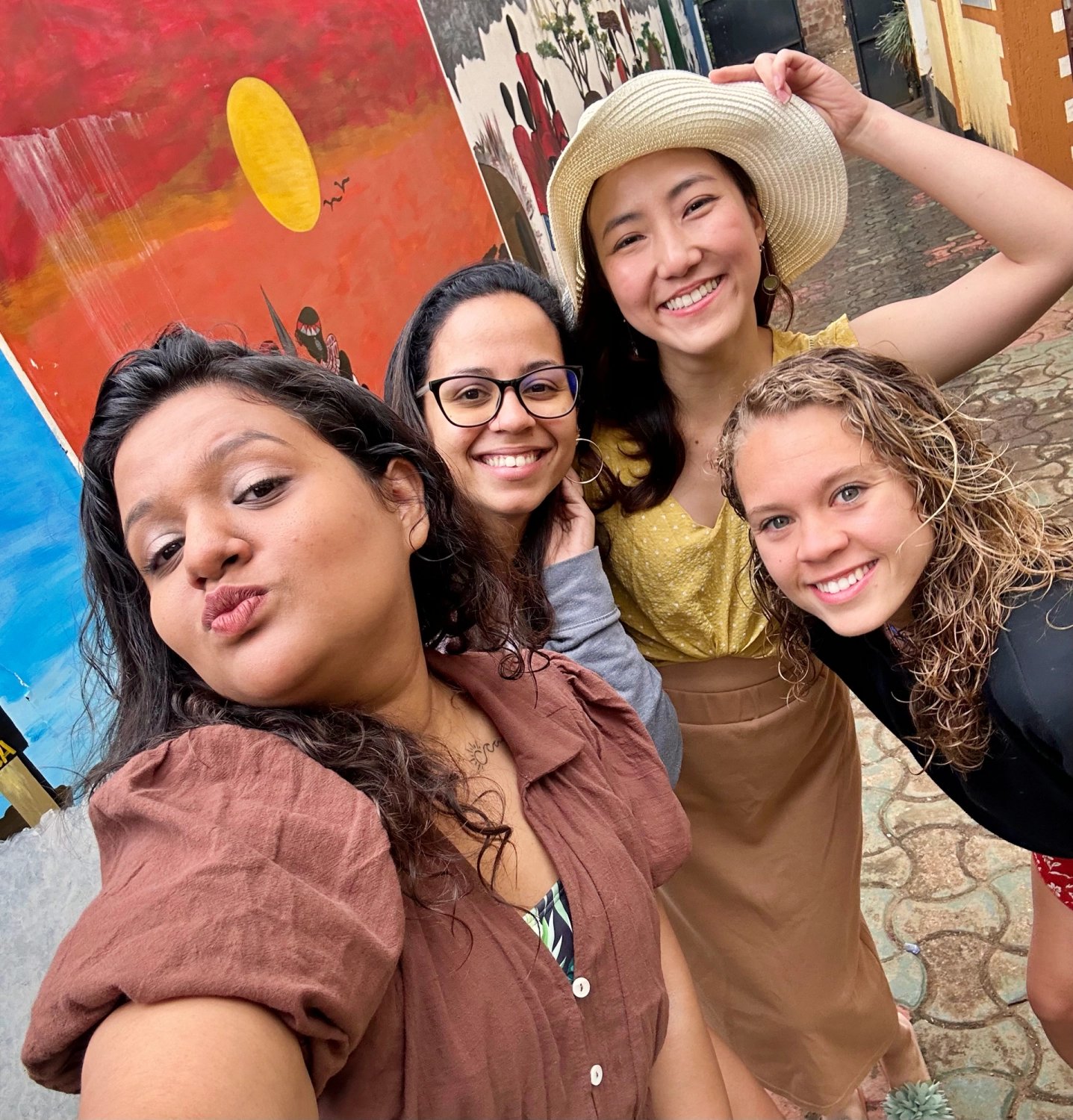
We eventually got a quadruple room, and a British girl kindly offered to join us. She had a lovely British accent and turned out to be a teacher too. We got on instantly. That night the four of us sat on the beds and ended up in a deep, heartfelt conversation about culture, language, and education systems in Britain, Australia, and Hong Kong.
She asked me many questions about Hong Kong and China because she has many Chinese students at her school and wanted to understand them better. She also told us how she openly discusses religion, politics, history, and sex education with her students, encouraging them to think from multiple angles rather than seeing things as simply black or white. Both the Indian girl and I were impressed.
She was particularly interested in languages, which is something I love exploring too. Somehow the four of us ended up having an academic discussion late into the night on how adults and children learn languages differently. It was one of those unexpectedly memorable evenings. Back home it would be rare to have such serious conversations with friends without feeling a bit odd.
Check out the next chapter of my journey→: Unexpected Encounters, Meaningful Chats
Century-Old Underground Caves
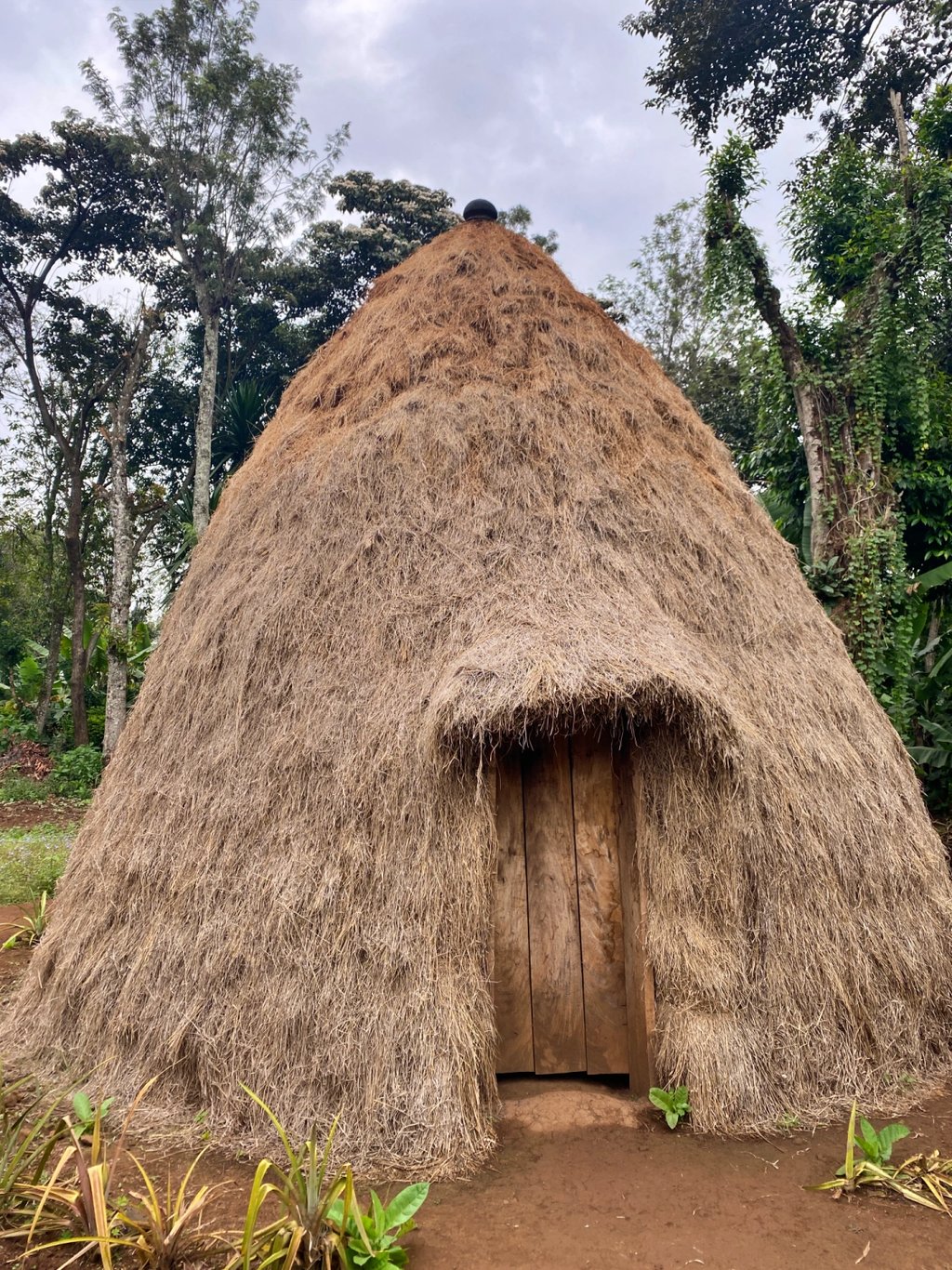
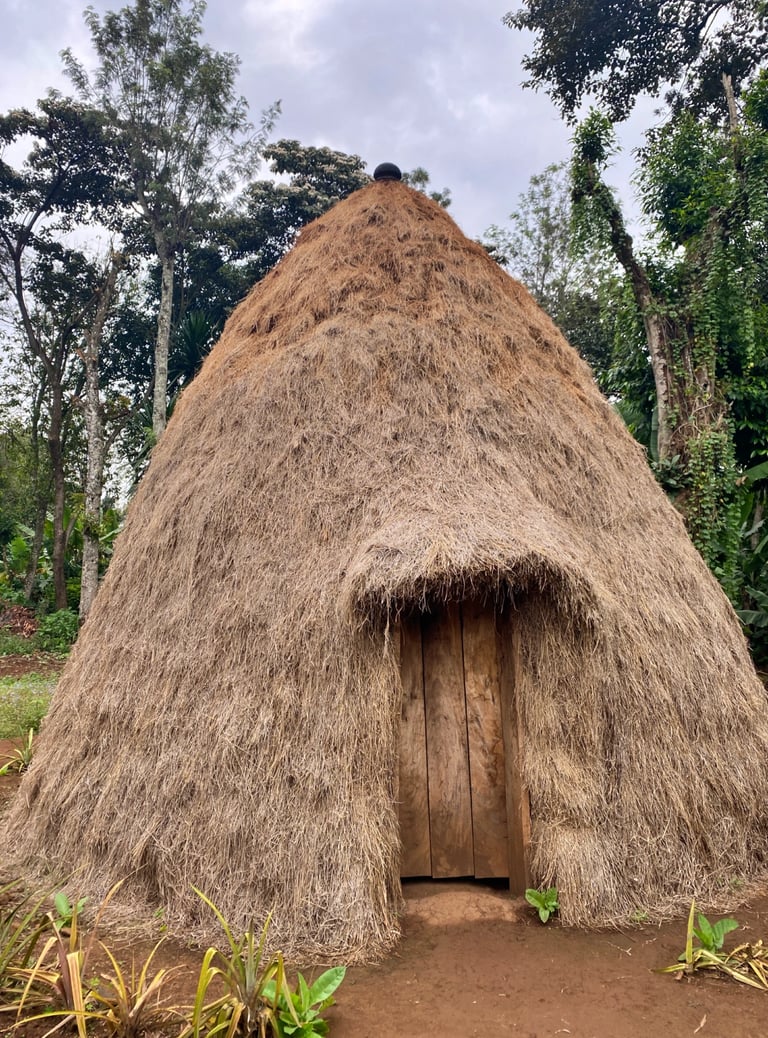
After our coffee tasting, we headed to the Chagga Caves.
The Chagga are one of more than 120 tribes in Tanzania. Around the late 18th century, they settled at the foot of Mount Kilimanjaro. Because of frequent conflicts between tribes, they began hiding in underground caves and even brought their livestock with them.
Walking through the dark passages felt a bit like my experience in the Cu Chi tunnels in Vietnam, but these caves were more spacious, with different rooms and a complex layout.
Hiking to Materuni Waterfall
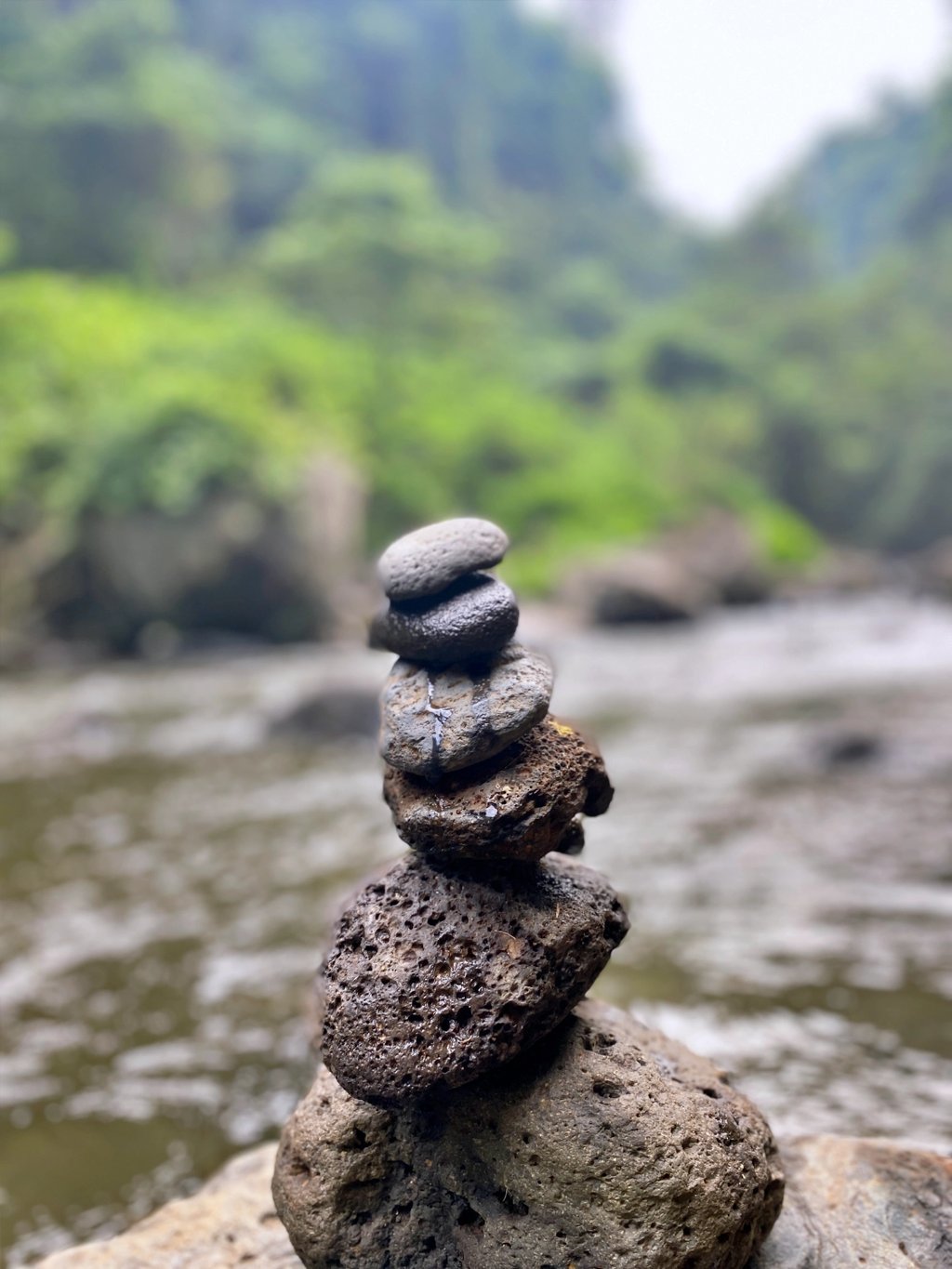
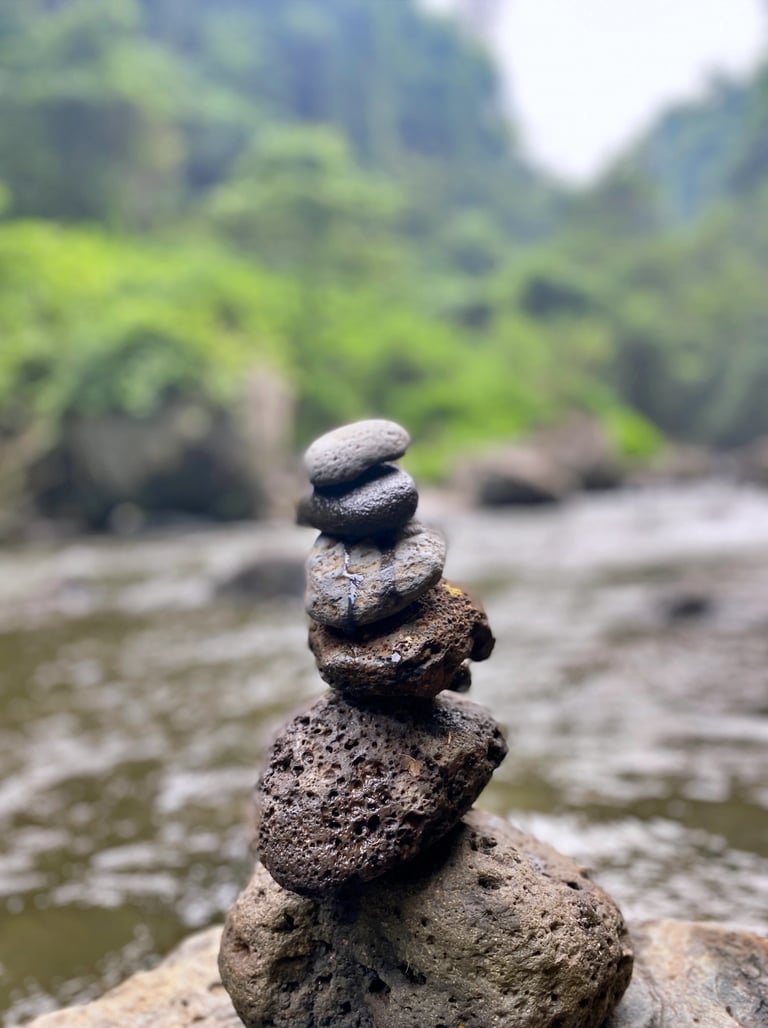
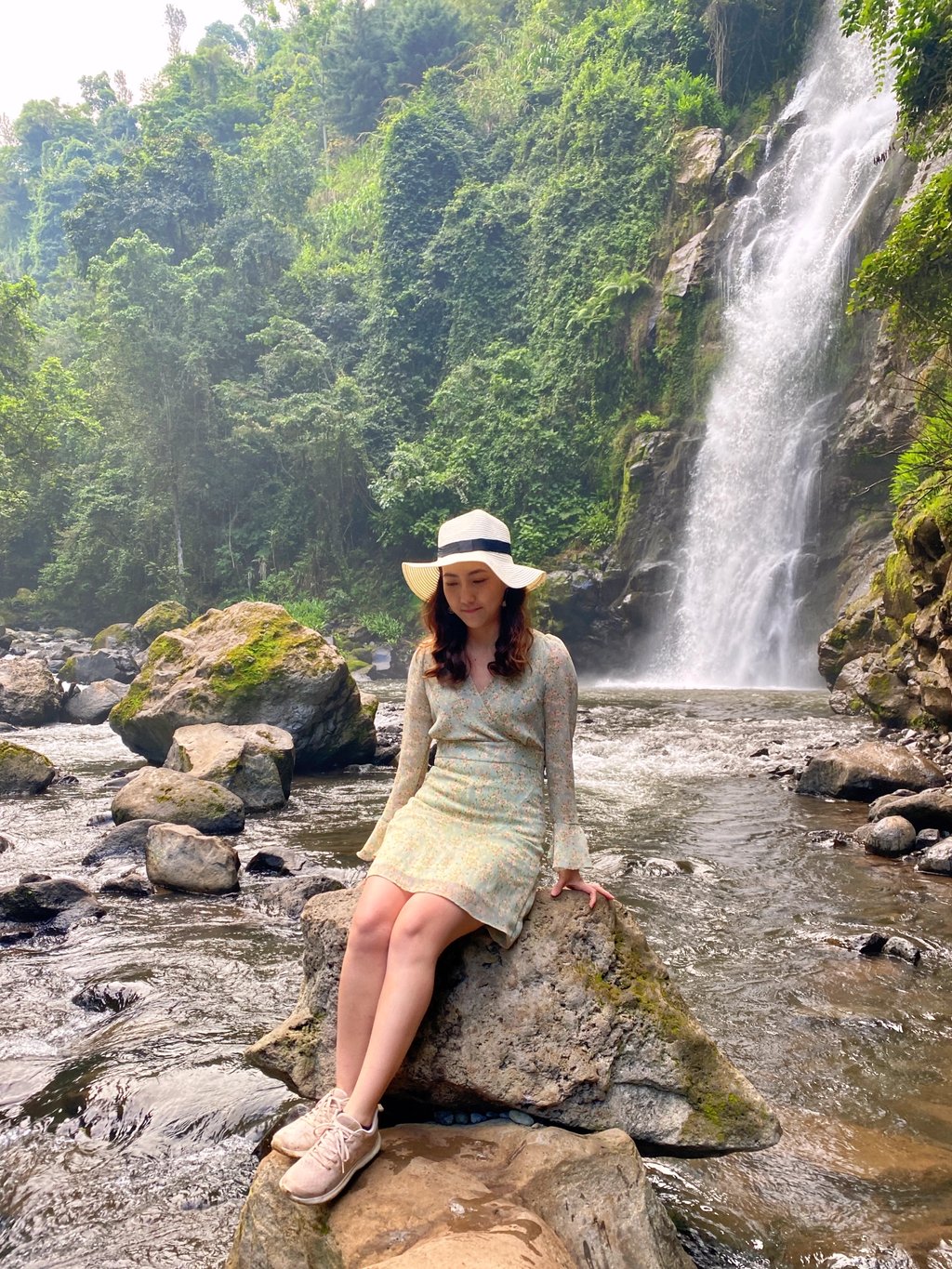
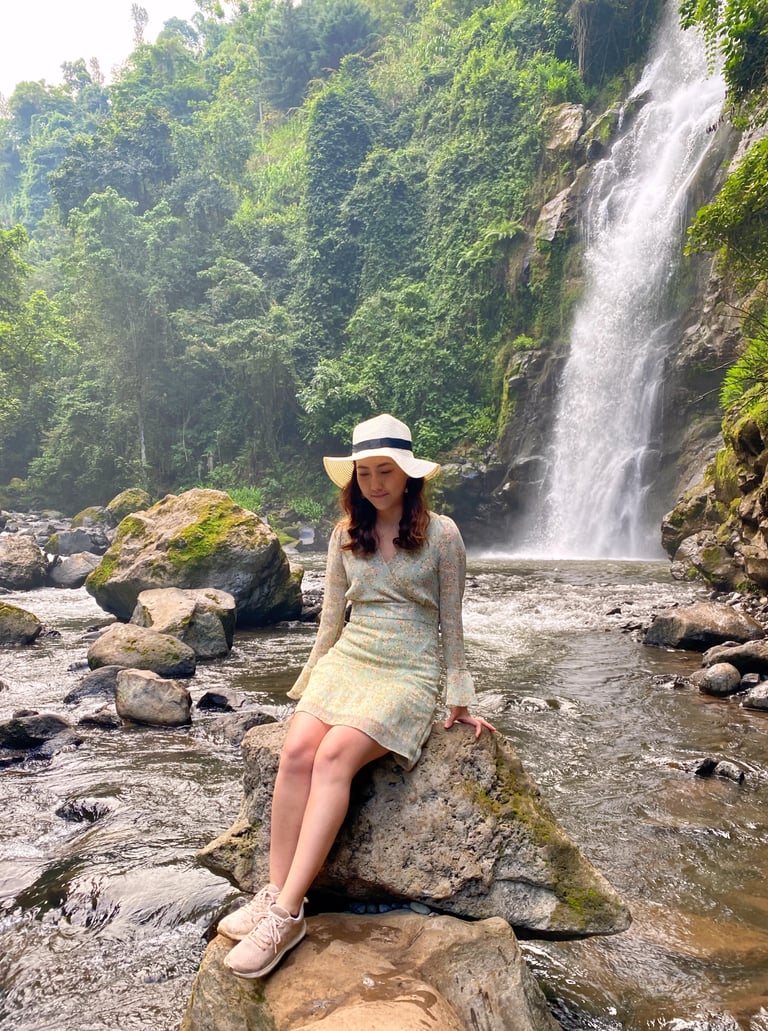
Next came the highlight of the trip: Materuni Waterfall. We had to hike down a path to reach it.
My guide introduced himself as T-ion, a musician from Zanzibar. Along the way he pointed out various plants and flowers. At one point he picked a red flower and handed it to me with a smile, saying, 'This is called Asian Beauty. It suits you.' I didn’t quite know how to respond.
When we finally reached the waterfall, T-ion proudly told us it was 75 metres high, the tallest in the area. He was very eager to take photos for me and snapped more than ten or twenty shots from different angles. Later I realised most of them were unusable, either extreme close-ups of my face or completely weird compositions.
Just as I was feeling touched by his kindness, he gently reminded me, 'Don’t forget to tip me. That’s how I make my living.' I had always planned to tip him, but the direct request instantly made the experience feel more transactional, like a clear reminder that I was just a foolish tourist (or a walking ATM).