

30-Day Solo Travel in Europe | Day 24: A Day at Pompeii and the Charismatic Guide of Vesuvius
(Previous chapter of my journey: Day 23: Michelangelo’s Young ‘Bacchus’ at Bargello)
On our second day in Rome, we joined a day tour to the ancient city of Pompeii. The meeting point was a square not far from our apartment. Although we arrived early, the area was crowded and the instructions were rather vague. Once again, I experienced the wonderfully relaxed Italian approach to organisation. Travellers from different tour groups stood around waiting, and it took quite some time before we were finally herded onto the coach. Our guide was a middle-aged woman named Viviana.
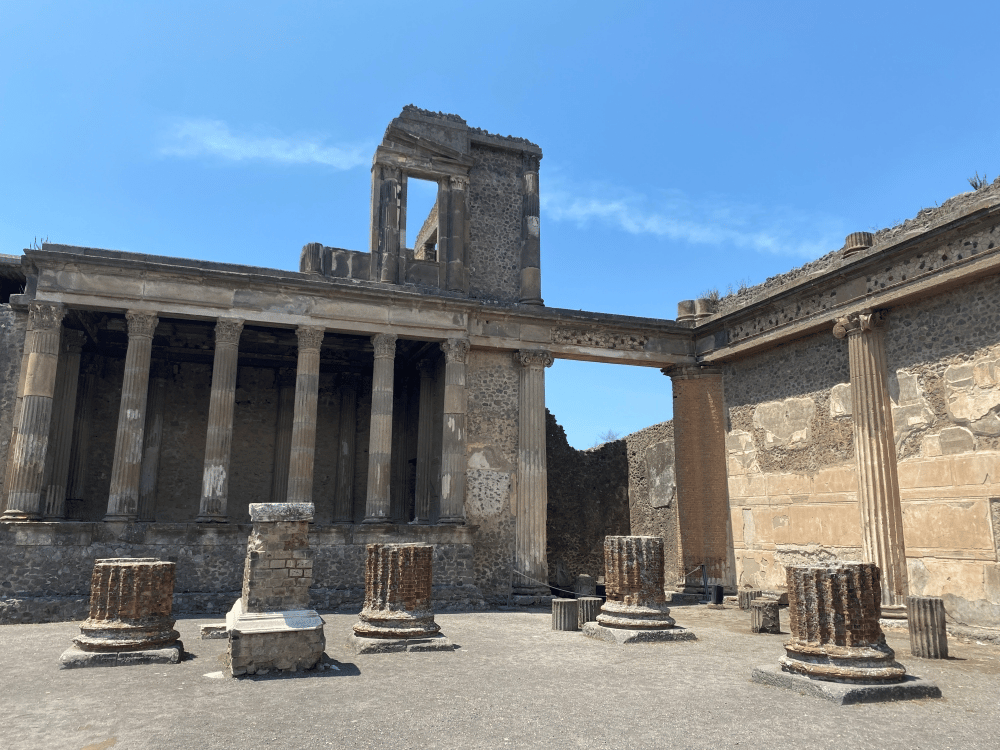
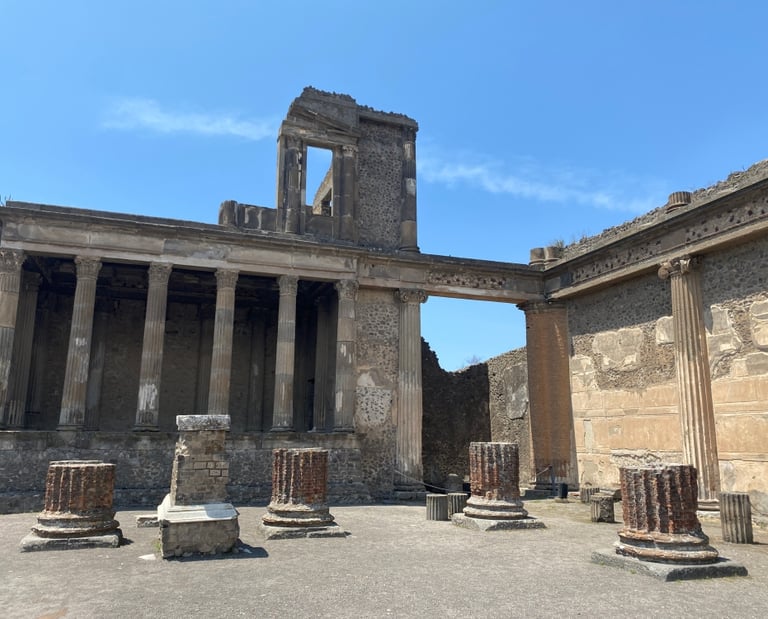
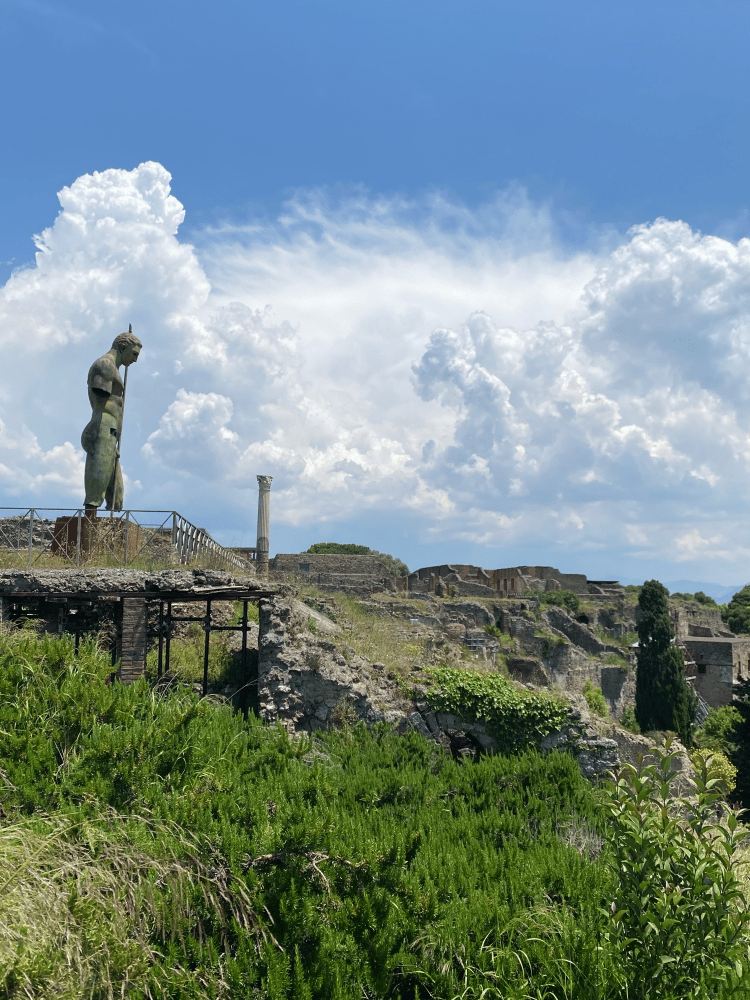
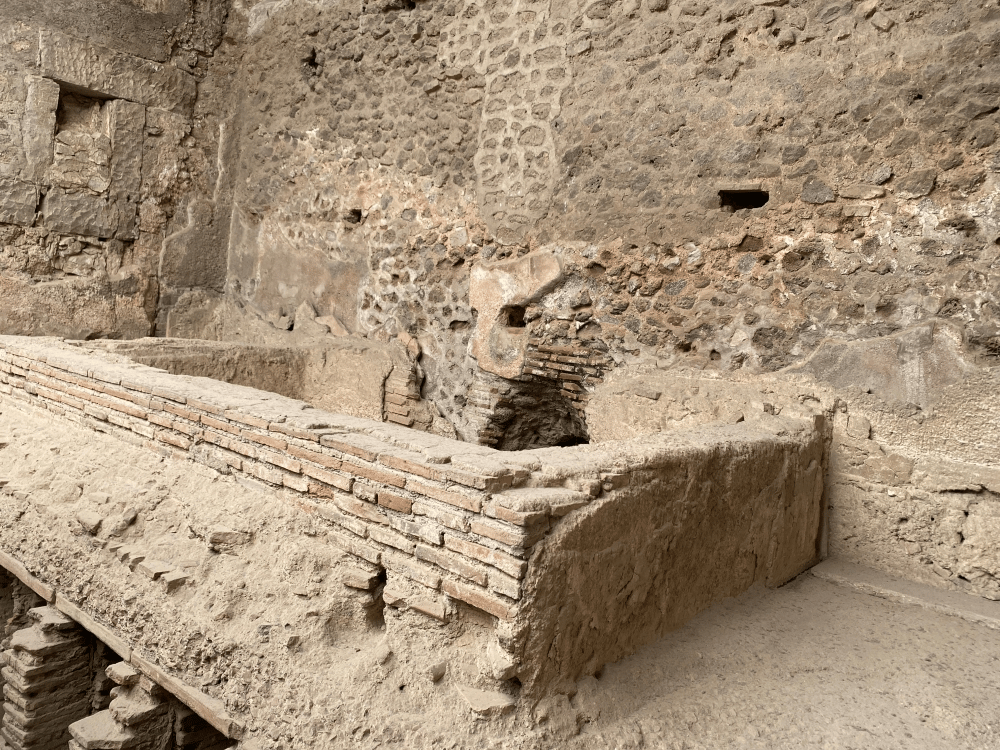
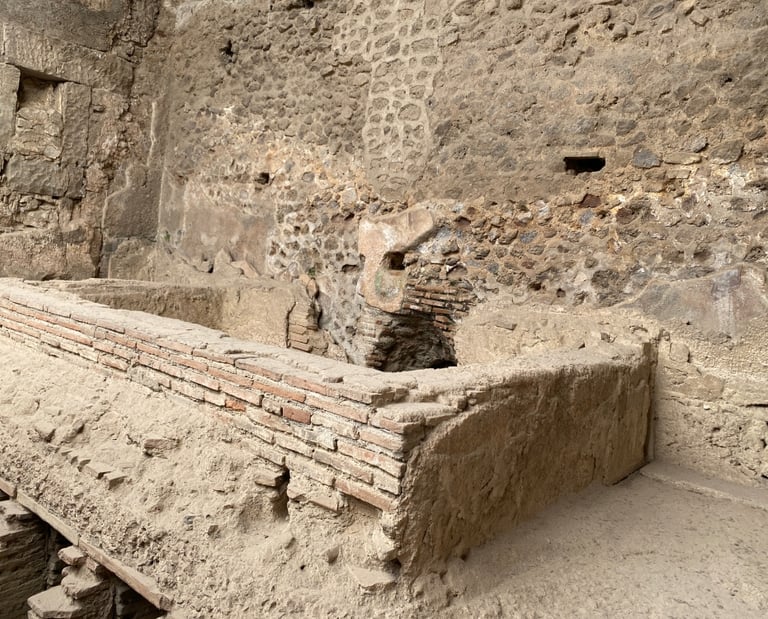
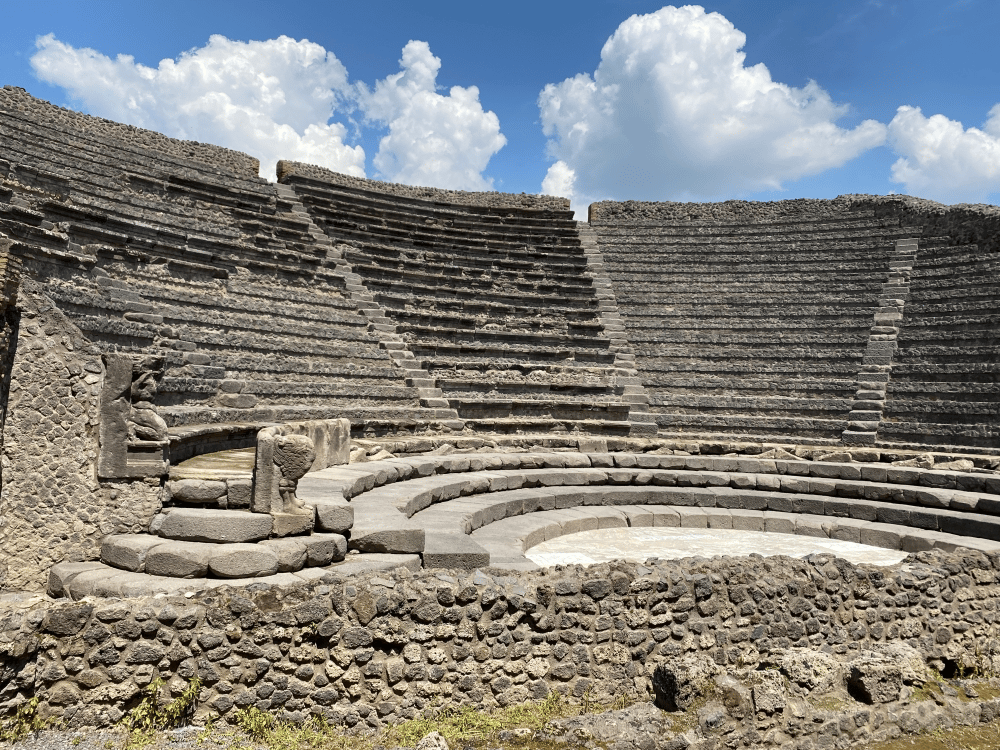
We only had one morning to explore Pompeii, with the afternoon reserved for nearby Mount Vesuvius. Buried for over two thousand years beneath layers of volcanic ash and pumice, Pompeii is now a UNESCO World Heritage Site. At first glance, the ruins appear as little more than crumbling walls and broken stone, yet the remains of brickwork, water cisterns and ancient pipes quietly reveal the prosperity of life here long ago. It was astonishing to realise that more than two millennia ago, this town already had separate lanes for carriages and pedestrians, along with an amphitheatre, public baths, and even an underfloor heating system for the bathhouses. Walking through the ruins felt strangely like stepping into the bathhouse scene from Spirited Away.
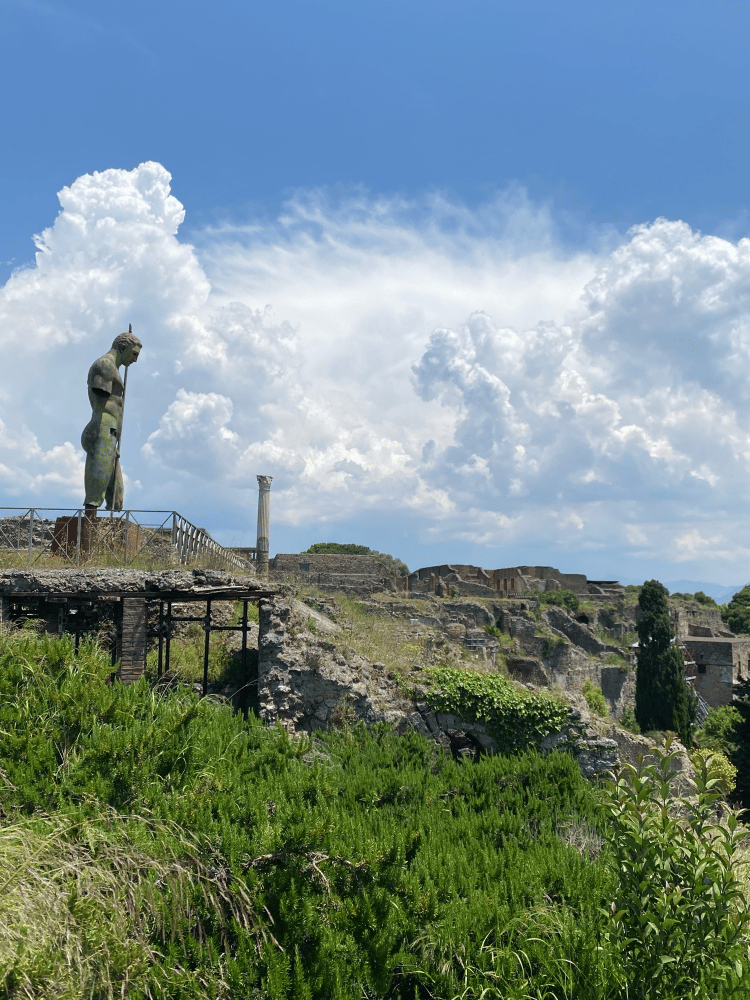
He explained that the volcano we were standing on was not the original one that destroyed Pompeii. The true ancient cone stood on the other side. While most volcanoes grow taller with each eruption, Vesuvius behaves differently. Every explosion partially destroys the mountain itself, making it shorter over time, as if the summit had been shaved away. The mountain we climbed today is actually a newer cone that formed beside the older one after repeated eruptions. Although it is still called Vesuvius, it is not the 'original version.'
How did geologists and archaeologists figure this out? They studied ancient wall paintings unearthed in Pompeii, which clearly show only one mountain, not the two we see today. This suggests the second peak appeared only after the catastrophic eruption. We followed our guide up the trail, which wasn’t too difficult. The real challenge, however, came on the way down. Our guide offered two options: return the same gentle way, or take the steeper, more thrilling slope covered in volcanic gravel and loose stones.
My friend and I chose to follow him down the adventurous route. For a typical 'Hong Kong girl' like me, it wasn’t easy, but the other tour members were surprisingly kind. A young man behind us could easily have overtaken, yet he patiently stayed at our pace without any sign of impatience. These small, unspoken acts of consideration reminded me how respect between people can exist beyond language. It also gently nudged me to be more patient with others in daily life. Everyone has strengths and weaknesses. When we are capable, the kindest thing we can do is offer a helping hand rather than judgement.
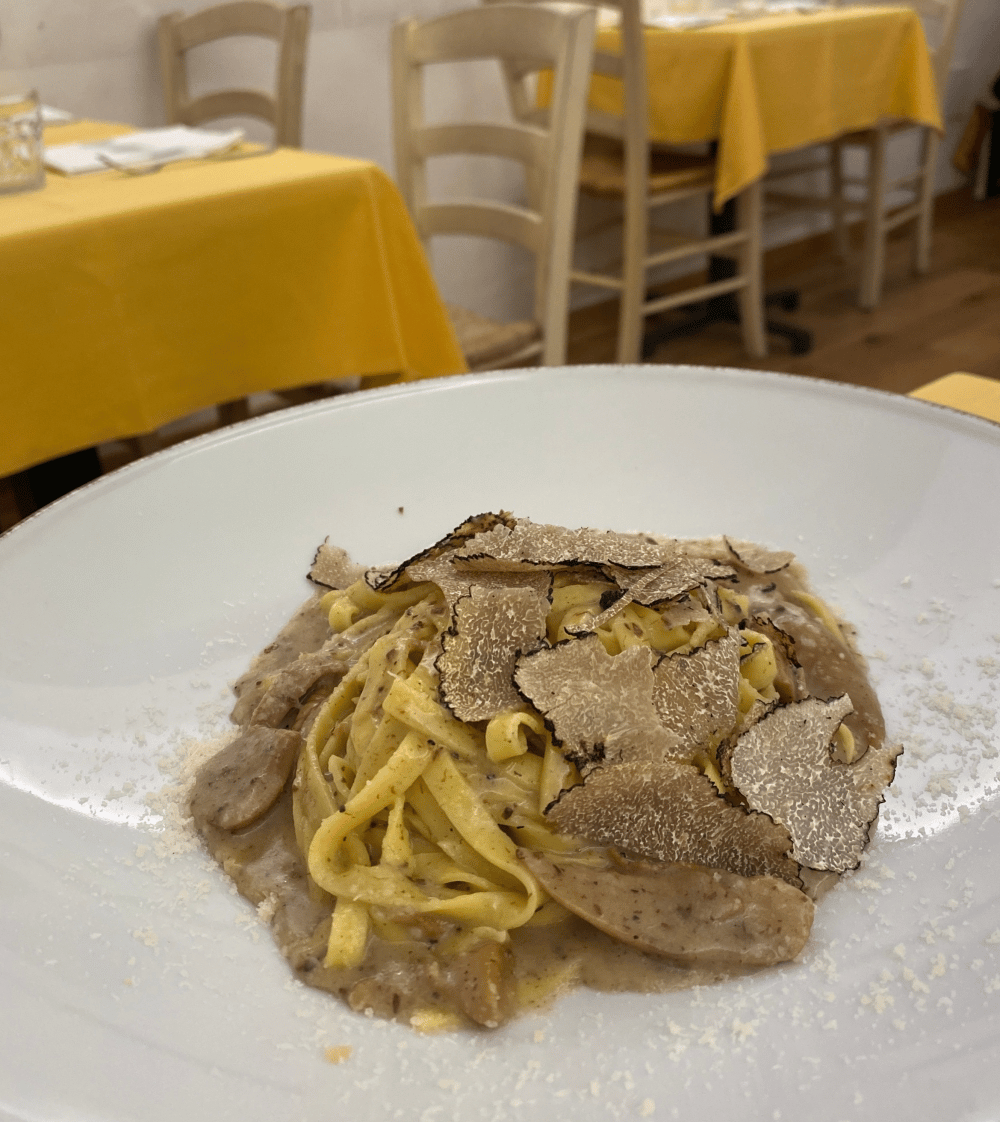
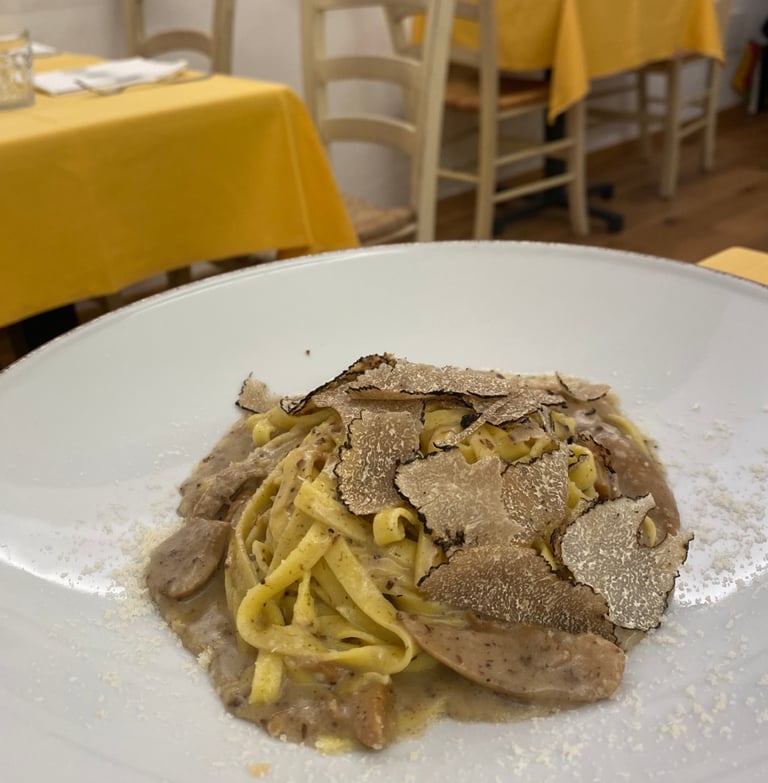
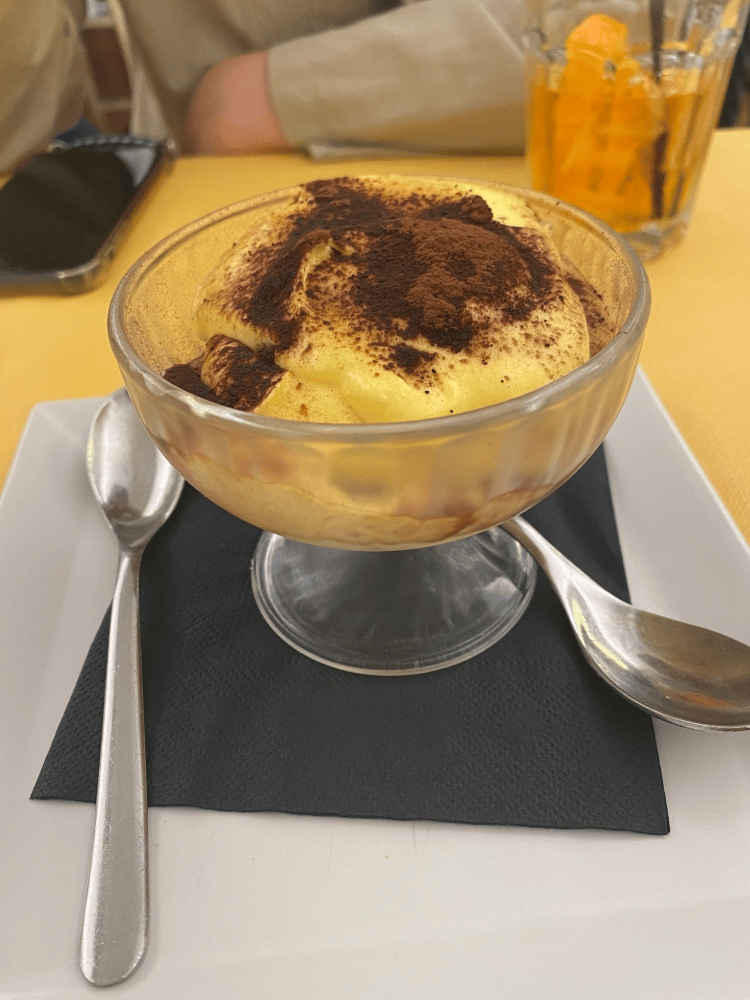
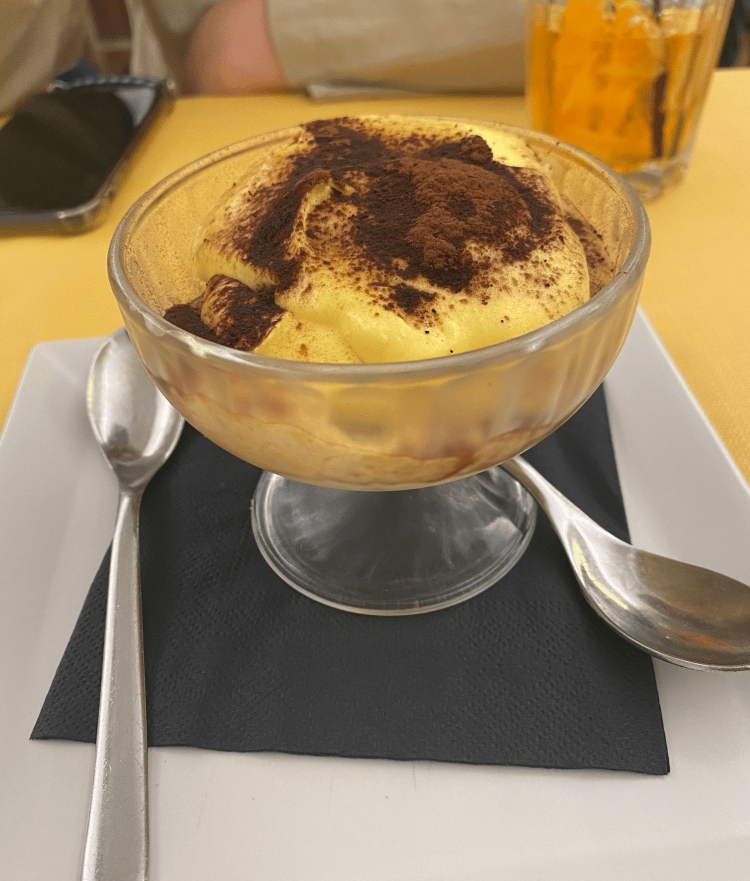
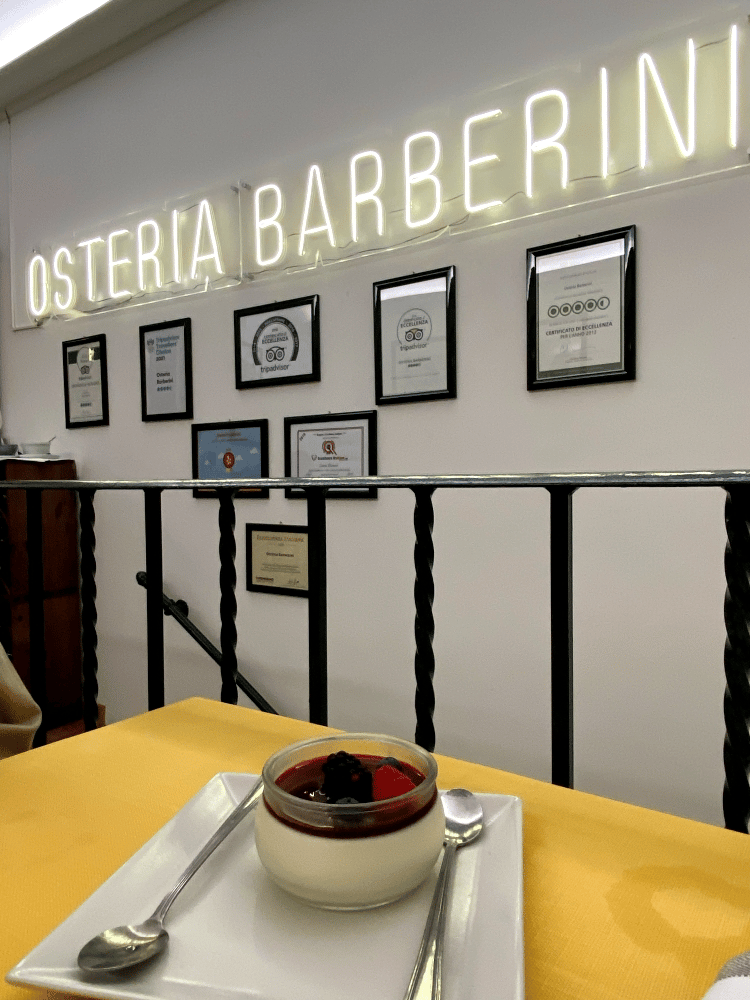
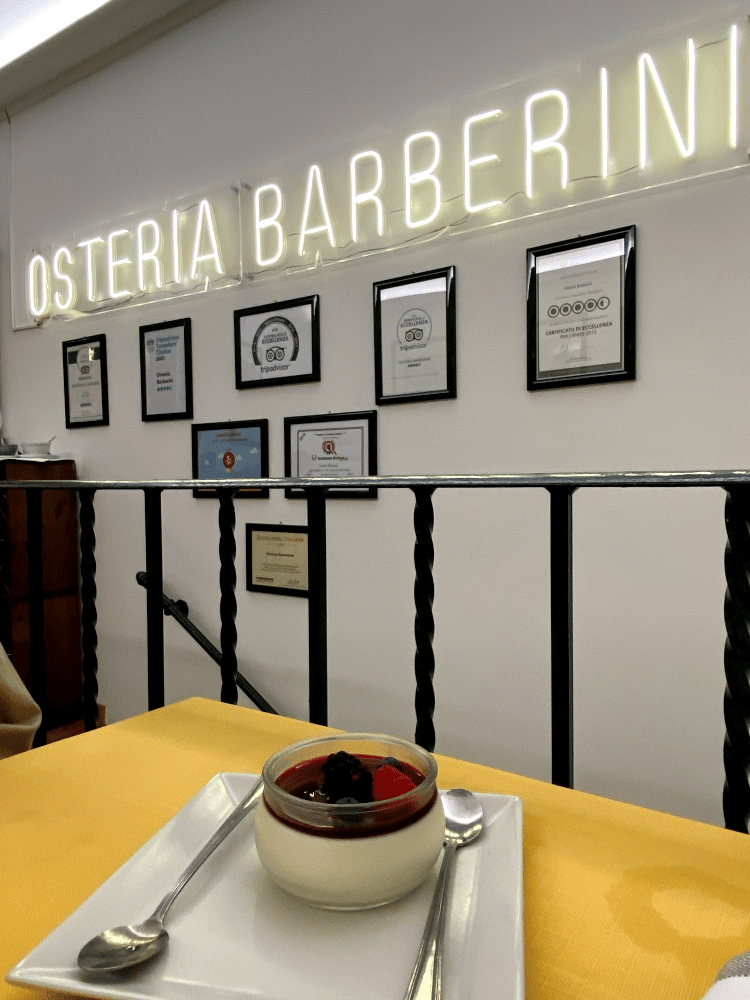
After the tour ended, my friend took me to a wonderful restaurant called Osteria Barberini. Almost every signature dish here features black truffle. We ordered black truffle pasta and steak with truffle sauce. One bite and I was speechless! It was easily the best meal we had eaten in Italy so far. Still savouring the flavours, I ordered another tiramisu. Mama mia, bravissimo! I declare that this was the finest tiramisu I had tasted during the entire trip. We even added a panna cotta, which interestingly appeared on the menu as 'cheesecake.'
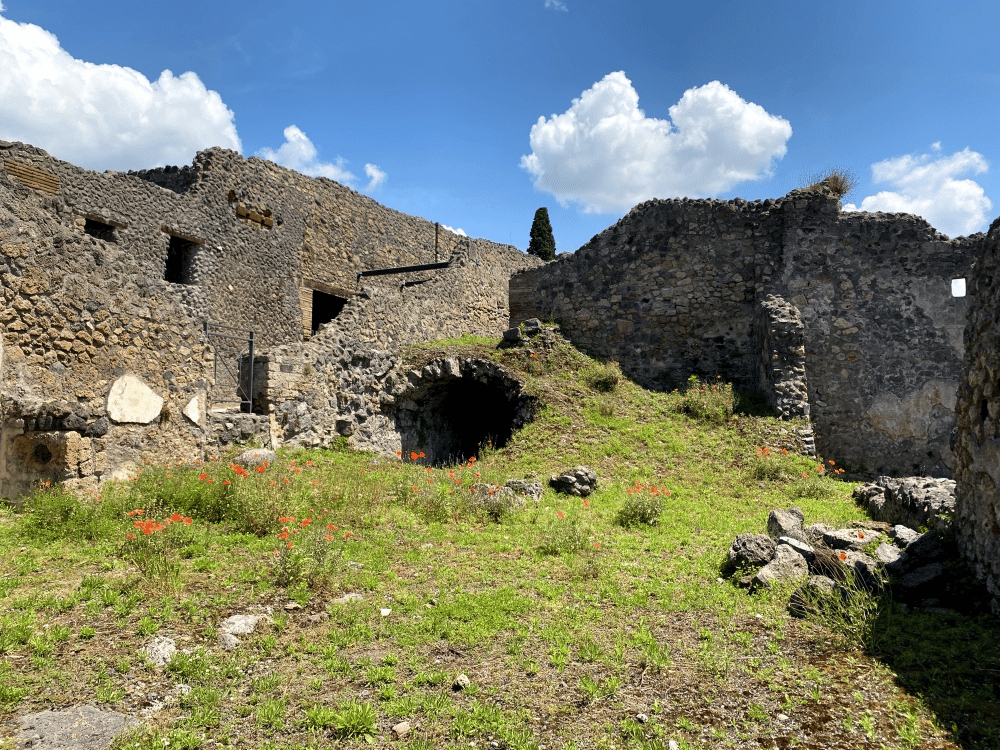
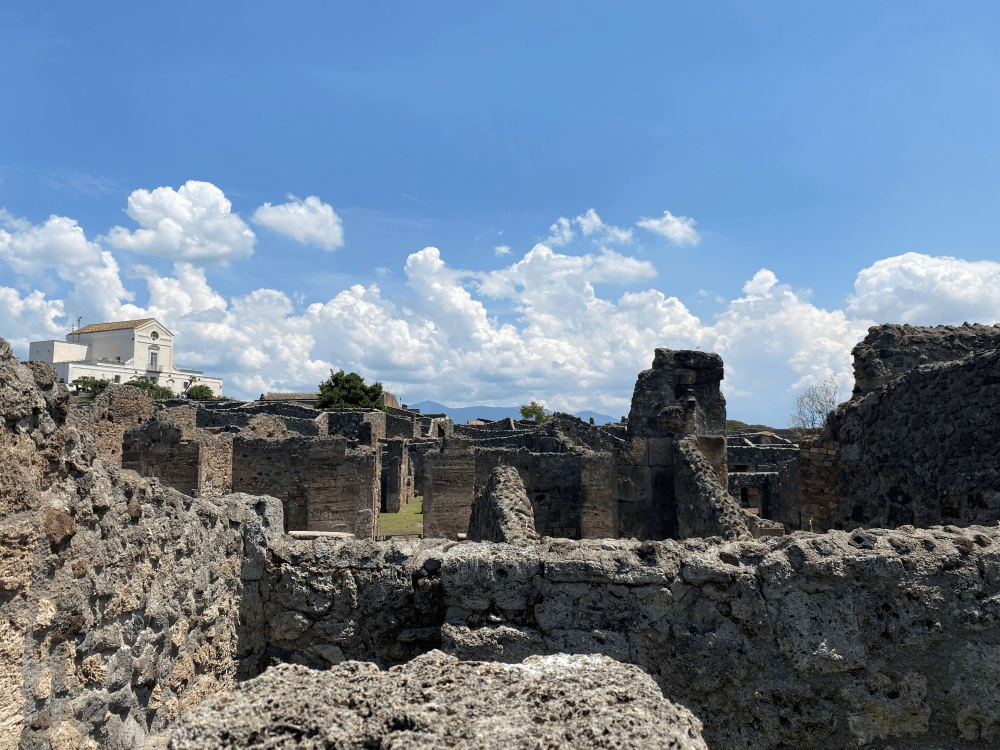
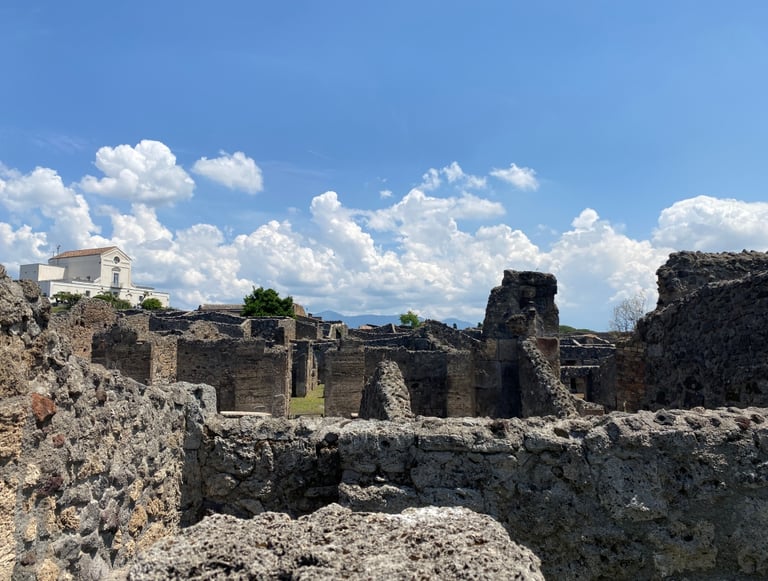
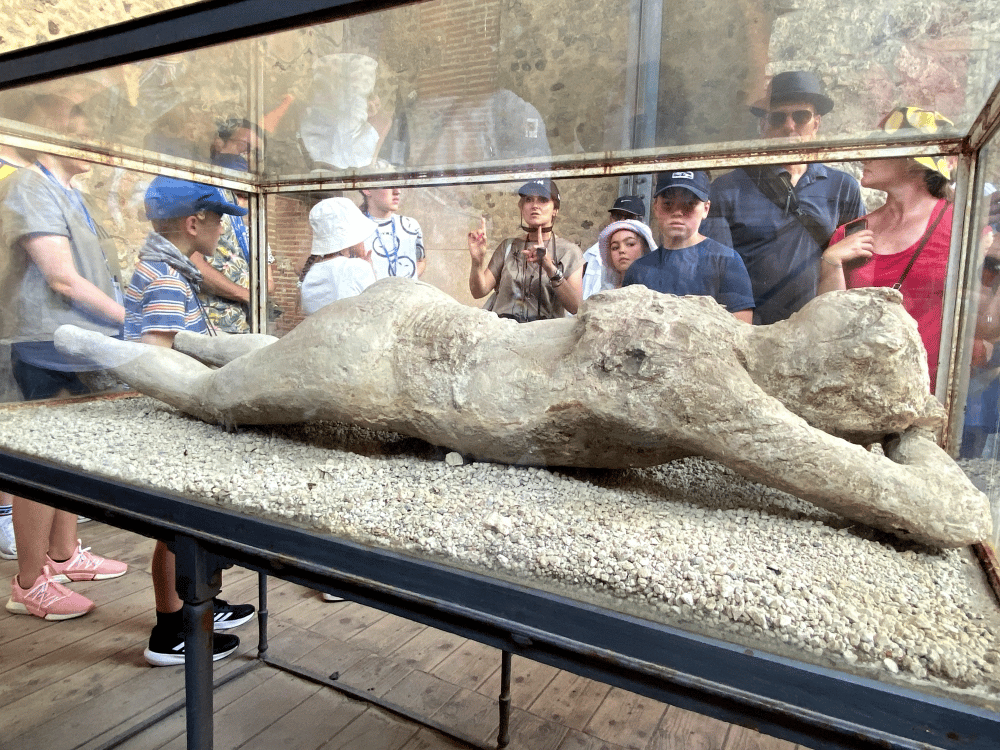
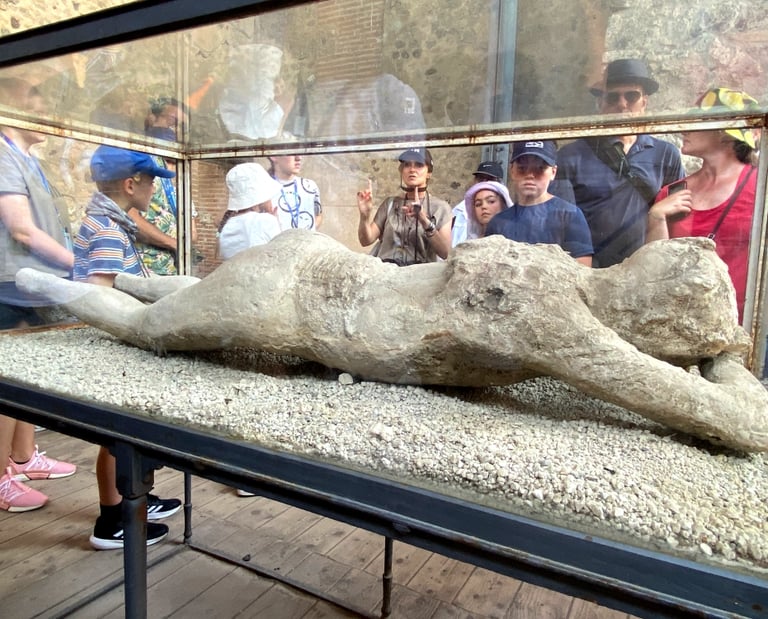
As the guide explained the architecture, she pointed out that many houses followed a ‘shop at the front, home at the back’ layout. The long, deep grooves in front of the shops were tracks for ancient sliding shutters. It was clear that daily life in Pompeii was remarkably advanced. If Pompeii already possessed such thoughtful infrastructure, one can only imagine how magnificent Rome itself must have been at its peak.
I had read many blog recommendations to visit the Pompeii museum, but our half-day schedule was tight. We barely managed to see one-third of the site before it was time to leave, with no chance to explore the museum. Lunch was limited to just one hour. Instead of joining the group at the guide’s recommended restaurant (which had average reviews online), my friend and I slipped away to a small, hidden eatery near the car park. It turned out to be a delightful surprise. We were greeted by a little garden at the entrance, with the decor echoed ancient Pompeian style. And the waiters were dressed in Roman-inspired costumes. The atmosphere was charming and immersive.
After lunch, we hurried to the meeting point the guide had described as 'the bus stop on the left.' We wandered between the coaches in confusion, unable to find it. Eventually, Viviana appeared from the opposite direction, urging us to board quickly. What she called “the left” was actually the far right! But we couldn't complain too much as these day tours are really about convenience, saving yourself the hassle of arranging transport.
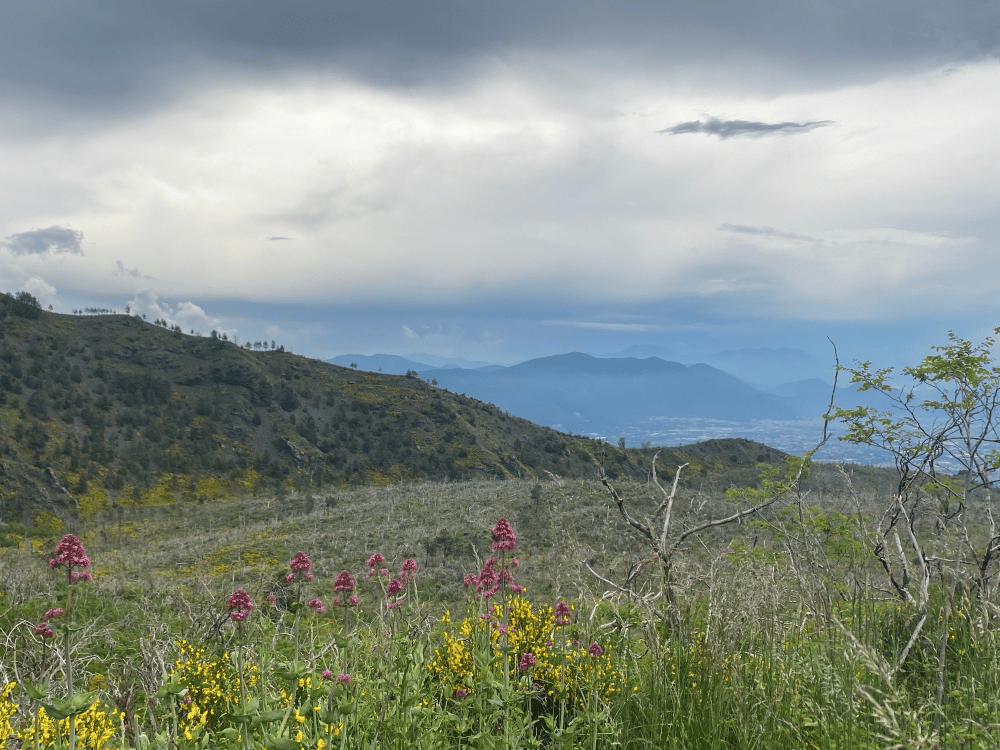
In the afternoon, we arrived at Mount Vesuvius. This was the volcano famously known for burying Pompeii under molten rock and ash. Our guide for this part was a charismatic, middle-aged Italian guy with a strong accent. I probably understood only seventy percent of what he said, but his charm and confidence more than made up for it. My friend and I listened like eager students. It was a good reminder that the art of communication often lies less in the words themselves and more in presence, gesture, and self-assurance.
(My journey continues: Day 25: Missing Michelangelo’s Pietà by a Hair’s Breadth)