

30-Day Solo Travel in Europe | Day 11: Poem of Versailles - Metamorphoses Myth Blooming in Latona Fountain
(Previous chapter of my journey: Day 10: Rosé by the Canal: An Unexpected Parisian Evening)
After staying up late chatting with the Dutch girl last night, I had to wake early for a guided tour of the Palace of Versailles. Our guide was a wonderfully energetic Italian auntie, whose cheerful personality is a refreshing contrast to the stereotypical aloof French woman.
The journey from central Paris to Versailles wasn't long, but the perks of joining a tour was skipping both the transportation hassle and the endless queues. Upon arrival, the golden gates immediately drew gasps from our group. 'Is that real gold?' someone asked. Our guide laughed and explained it was merely gilded - if it were solid gold, it would have been stolen long ago. One wing of the palace was undergoing renovation, preparing to welcome Olympic athletes and visitors in its full splendour.
The guide gracefully unfolded Versailles' history: during Louis XIII's reign, this was merely hunting forest with a small hunting lodge, until Louis XIV spent thirty-seven years transforming it into a magnificent palace. She summarised it perfectly: 'Louis the 14th built it, the 15th enjoyed it, and the 16th paid for it.'
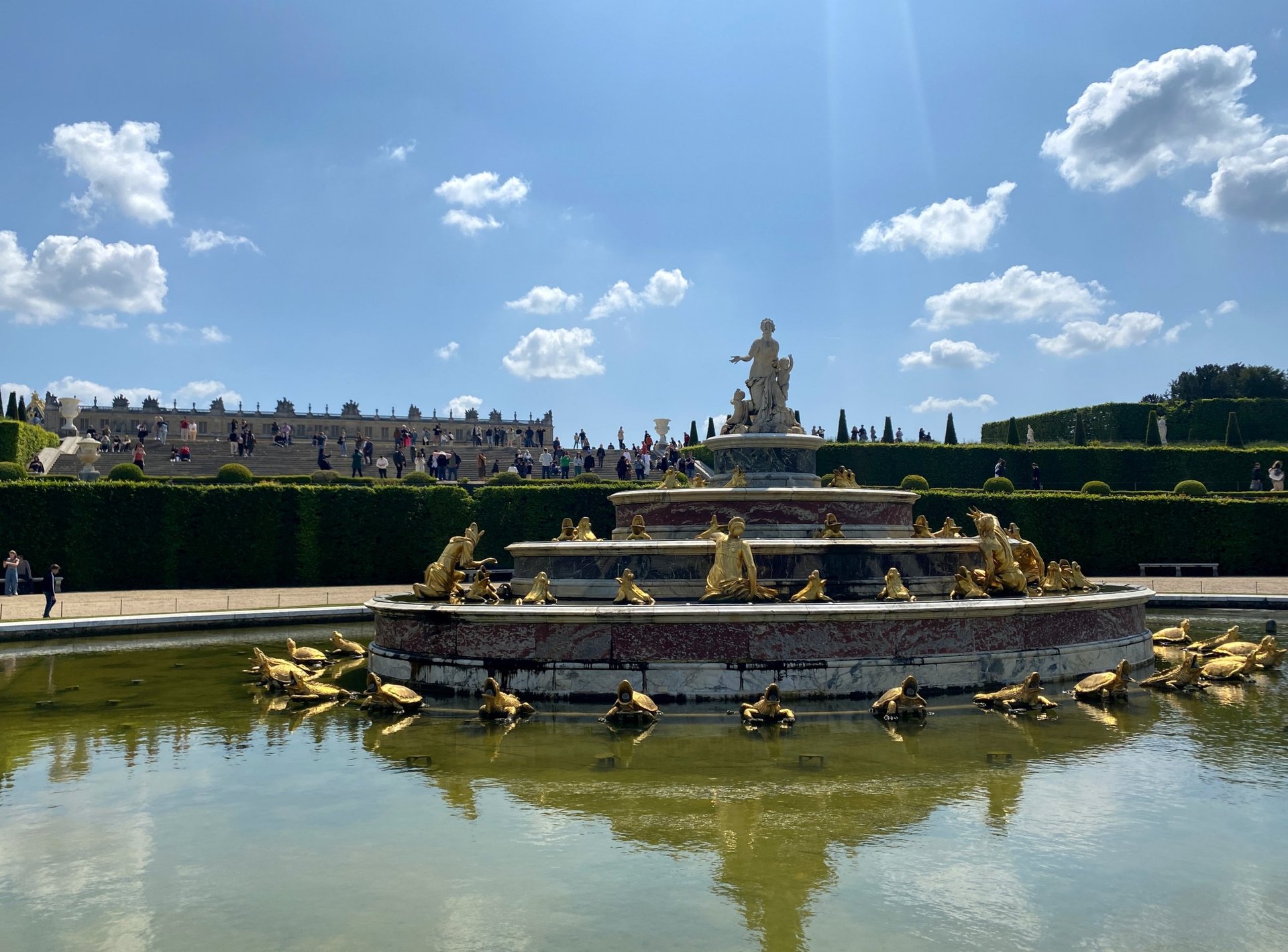
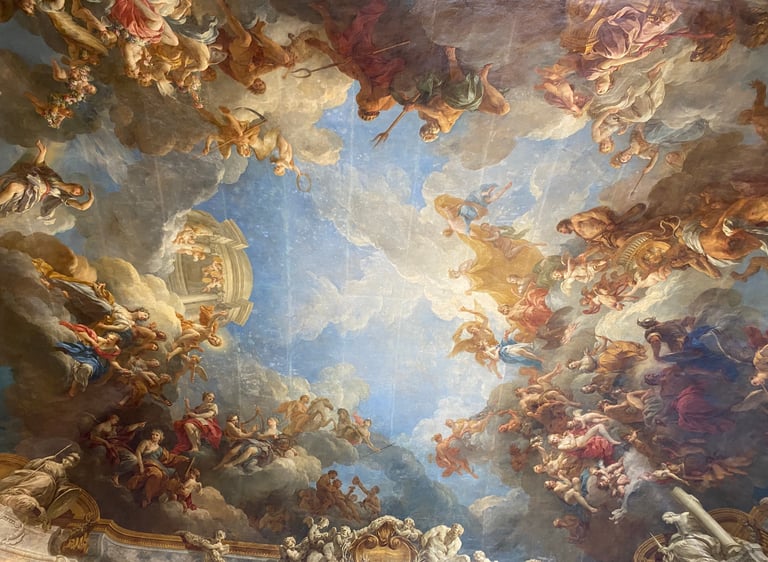
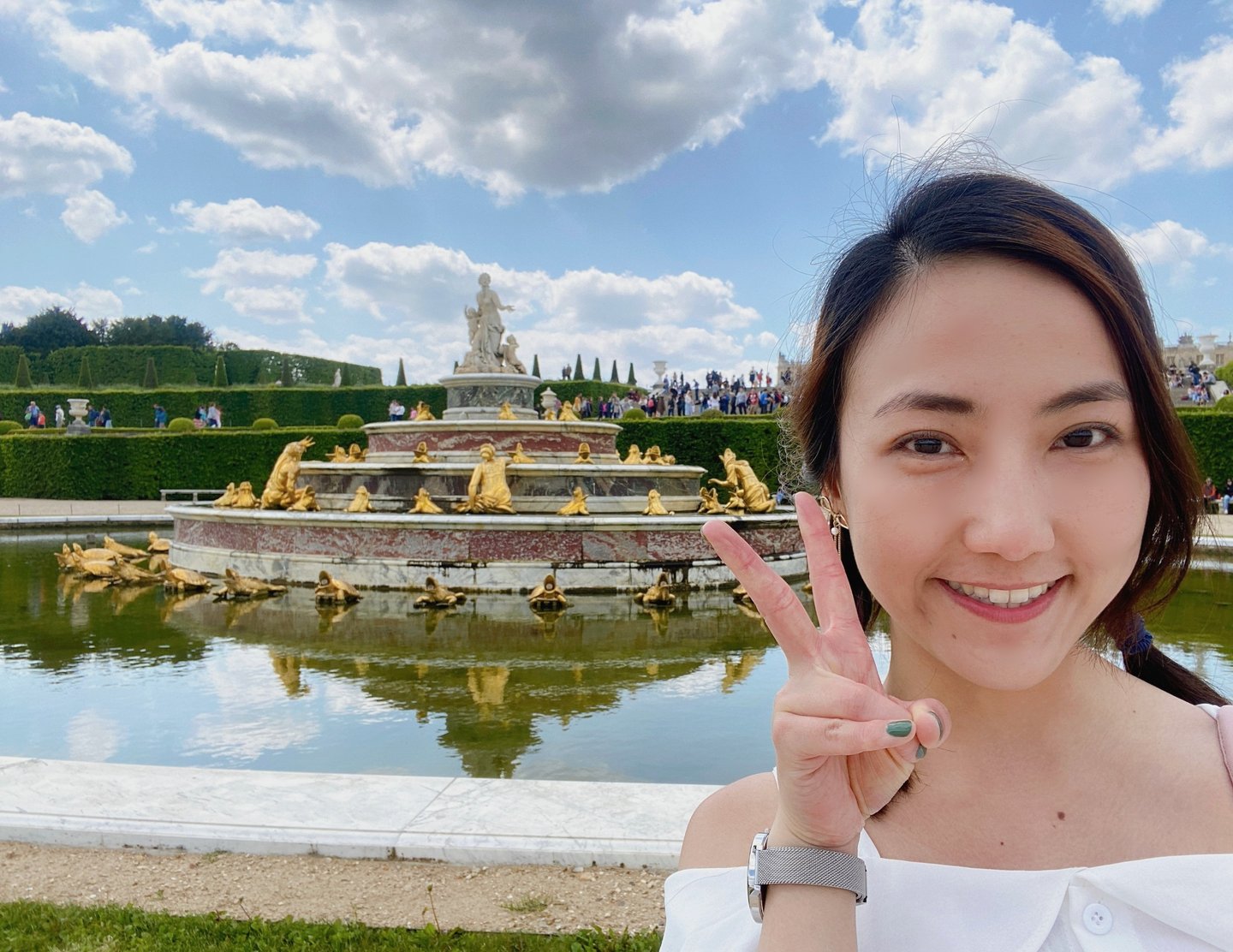
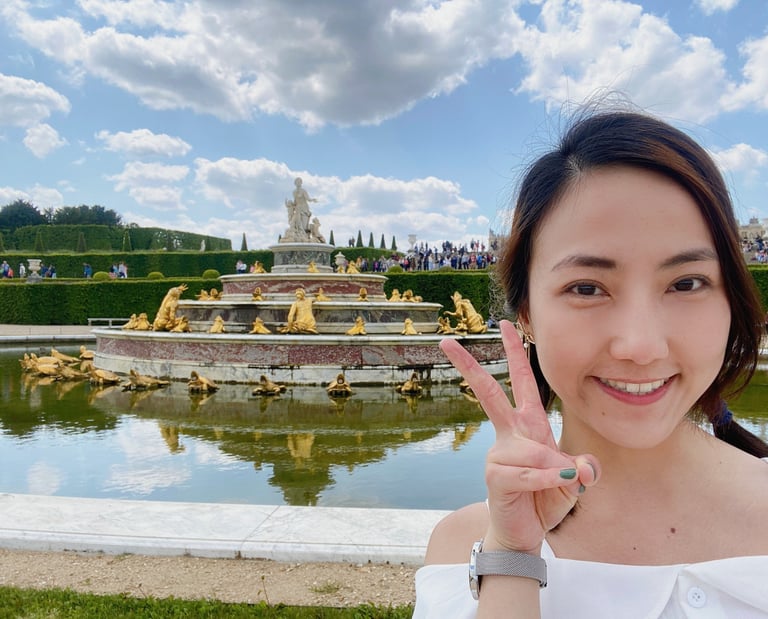
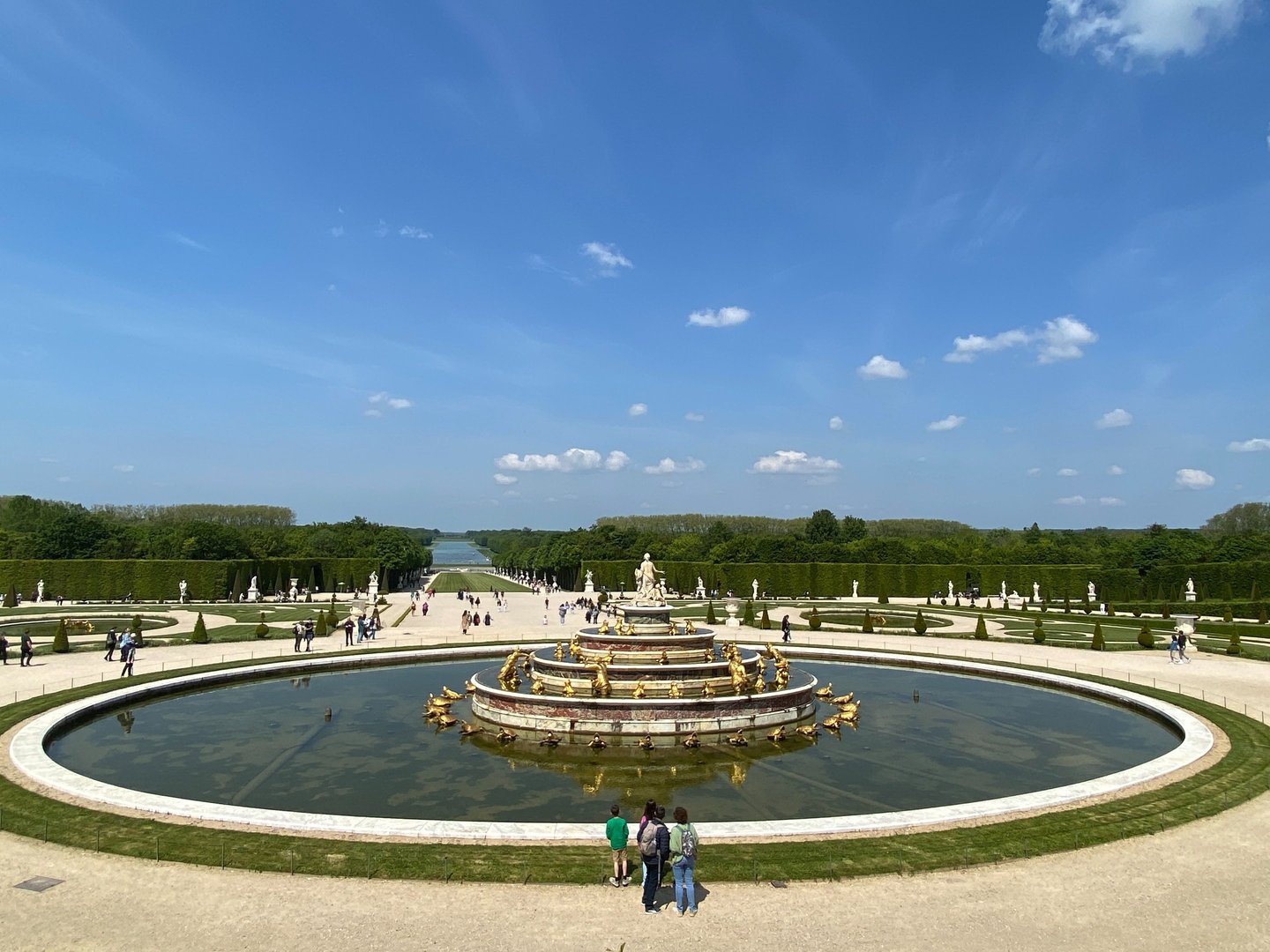
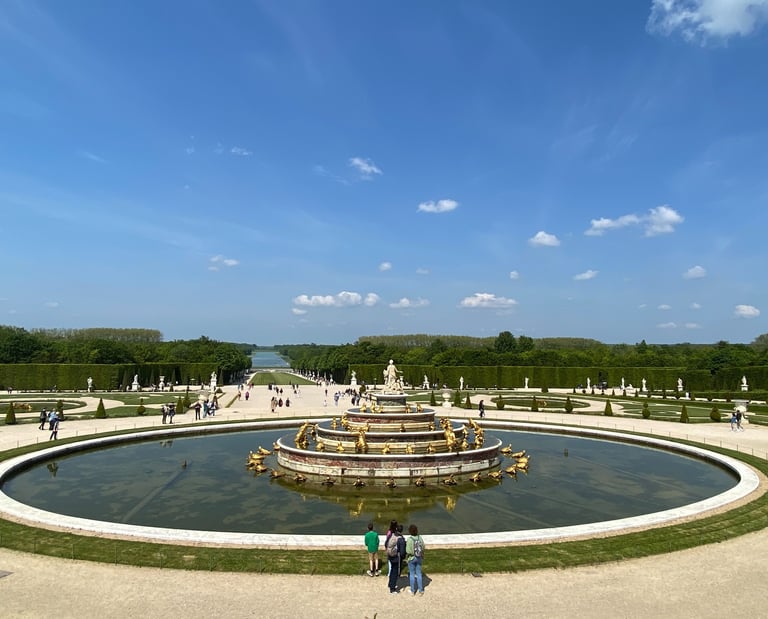
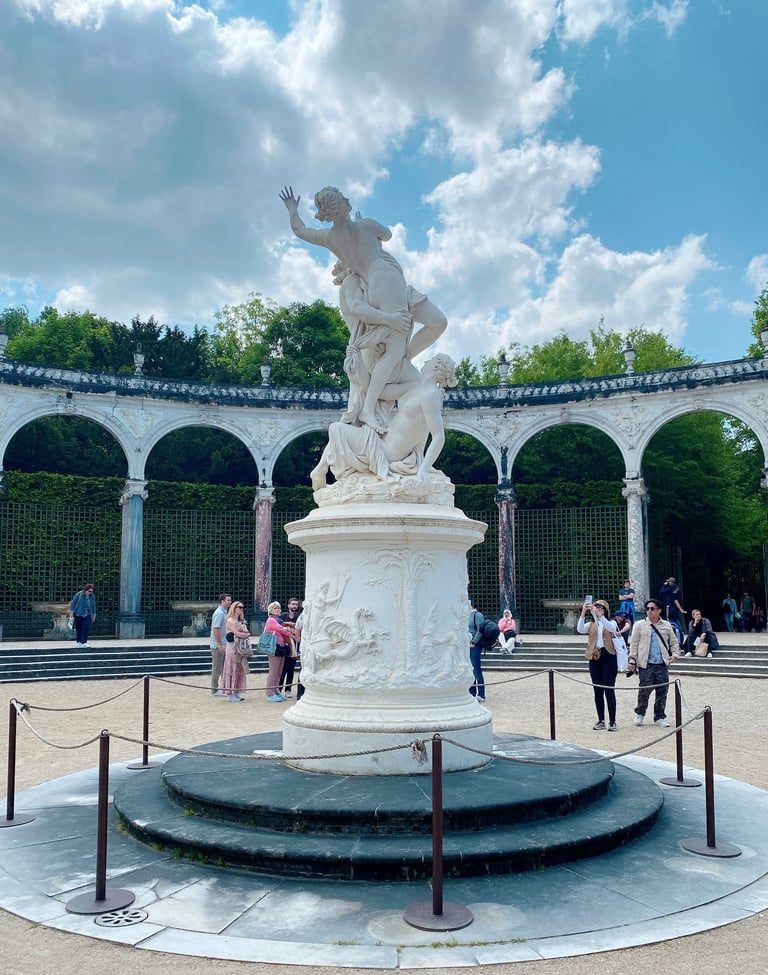
What I'd been most eager to see was the Latona Fountain, which my history teacher had once described with such passion. After the palace tour, during free time to wander the gardens, I went straight for this legendary artwork. Just as my teacher had said, the fountain told its story through layered sculptures where frogs in various poses gradually transforming into human faces. While my teacher had called it 'The Frog Prince' tale, my curious nature led me to discover its true inspiration in Ovid's 'Metamorphoses'. It is a story of the dark goddess Latona, who was fleeing Juno's persecution with her children Apollo and Diana, arrived at a pond where villagers refused her water. She consequently turned them into frogs.
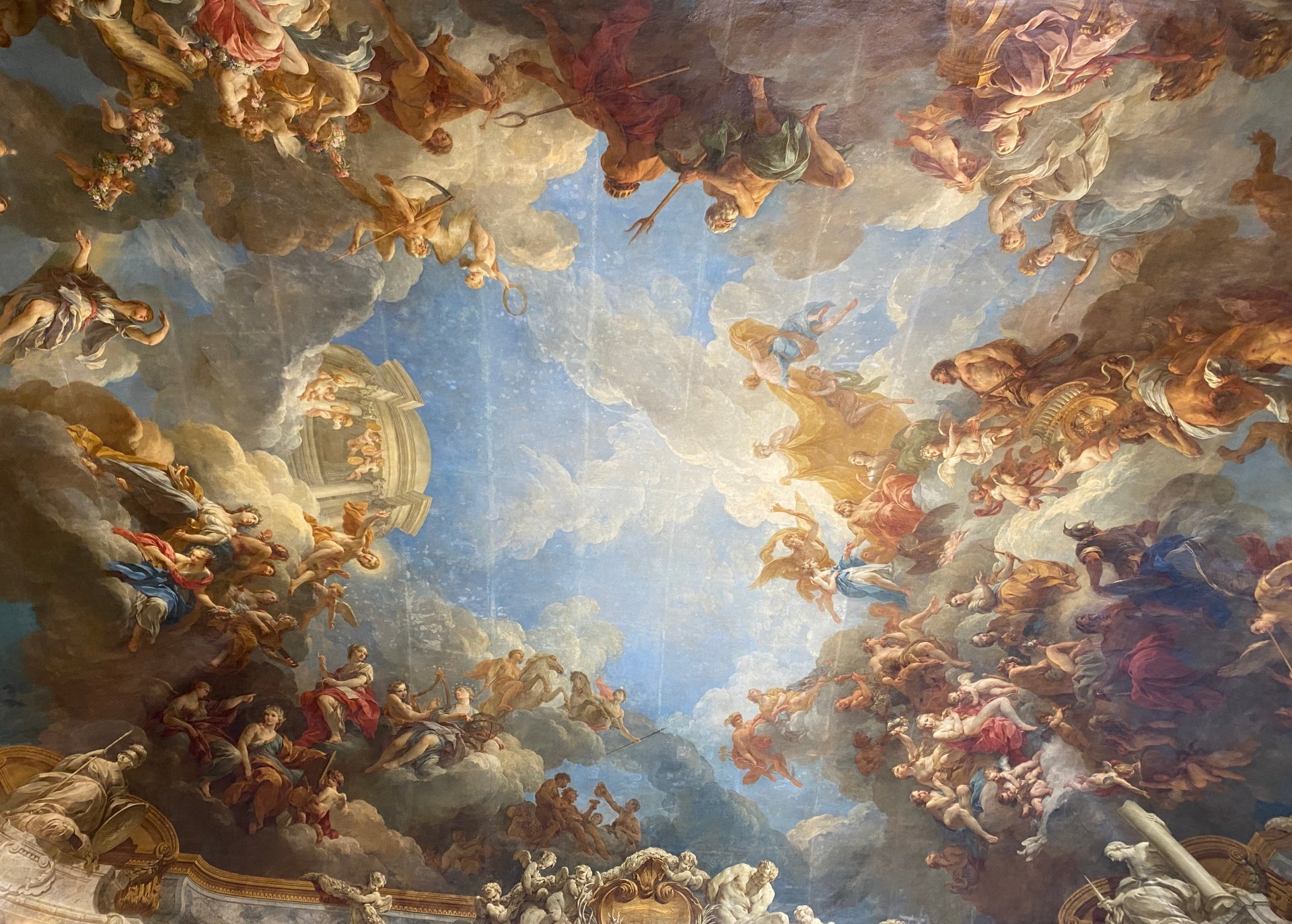
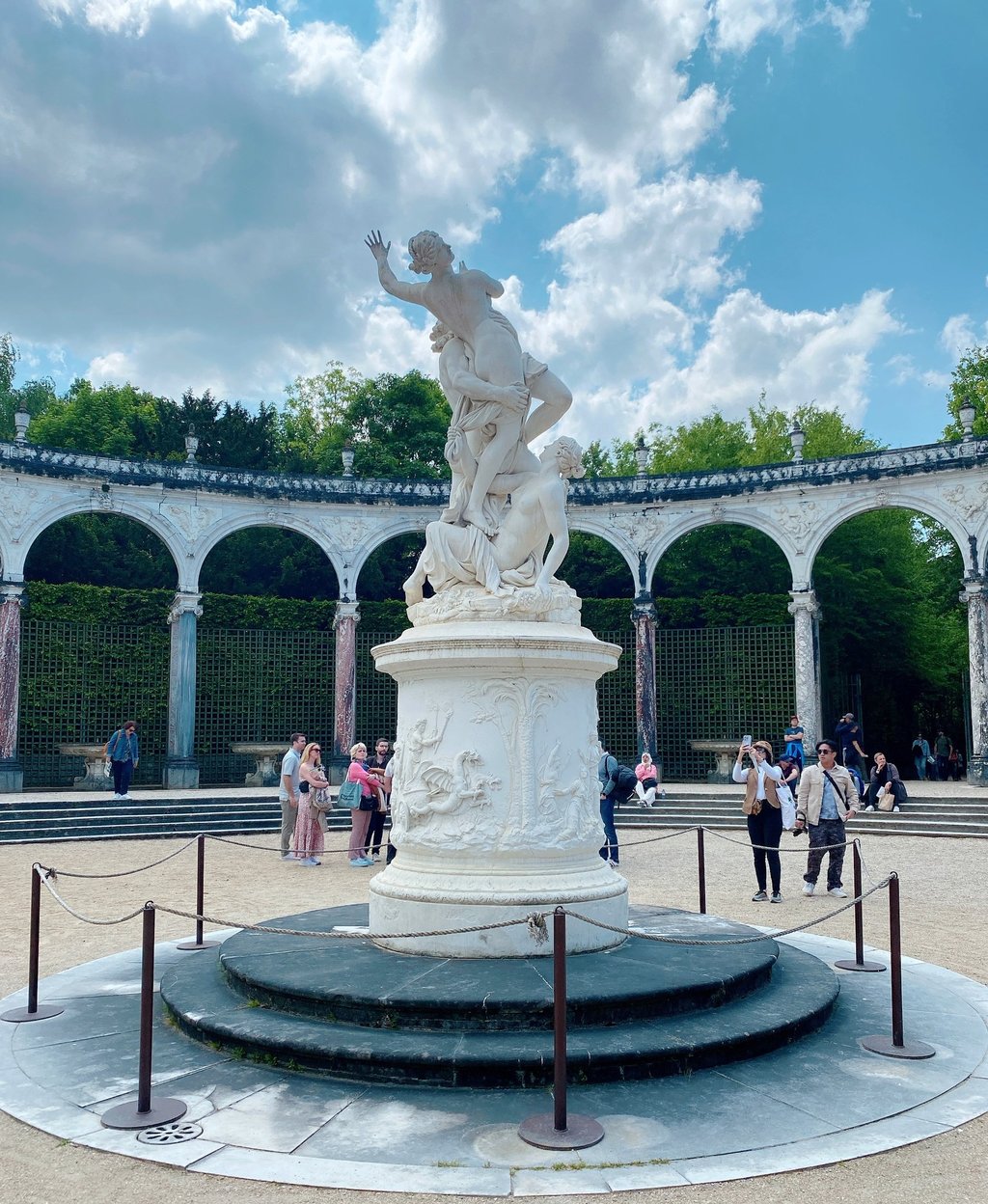
Every corner of Versailles whispers with traces of Greek and Roman mythology, making me even more excited for my upcoming journeys to Italy and Greece. The palace is vast enough to spend a whole day exploring, yet my half-day tour left me wonderfully fulfilled. Returning to the city by coach, I enjoyed an early dinner at a local restaurant before heading home.
I decided not to go with my originally planned Seine River night cruise due to lingering fatigue and my apartment's distance from the city centre. I'm learning that sometimes, knowing when to rest and let go is itself an art of travel.
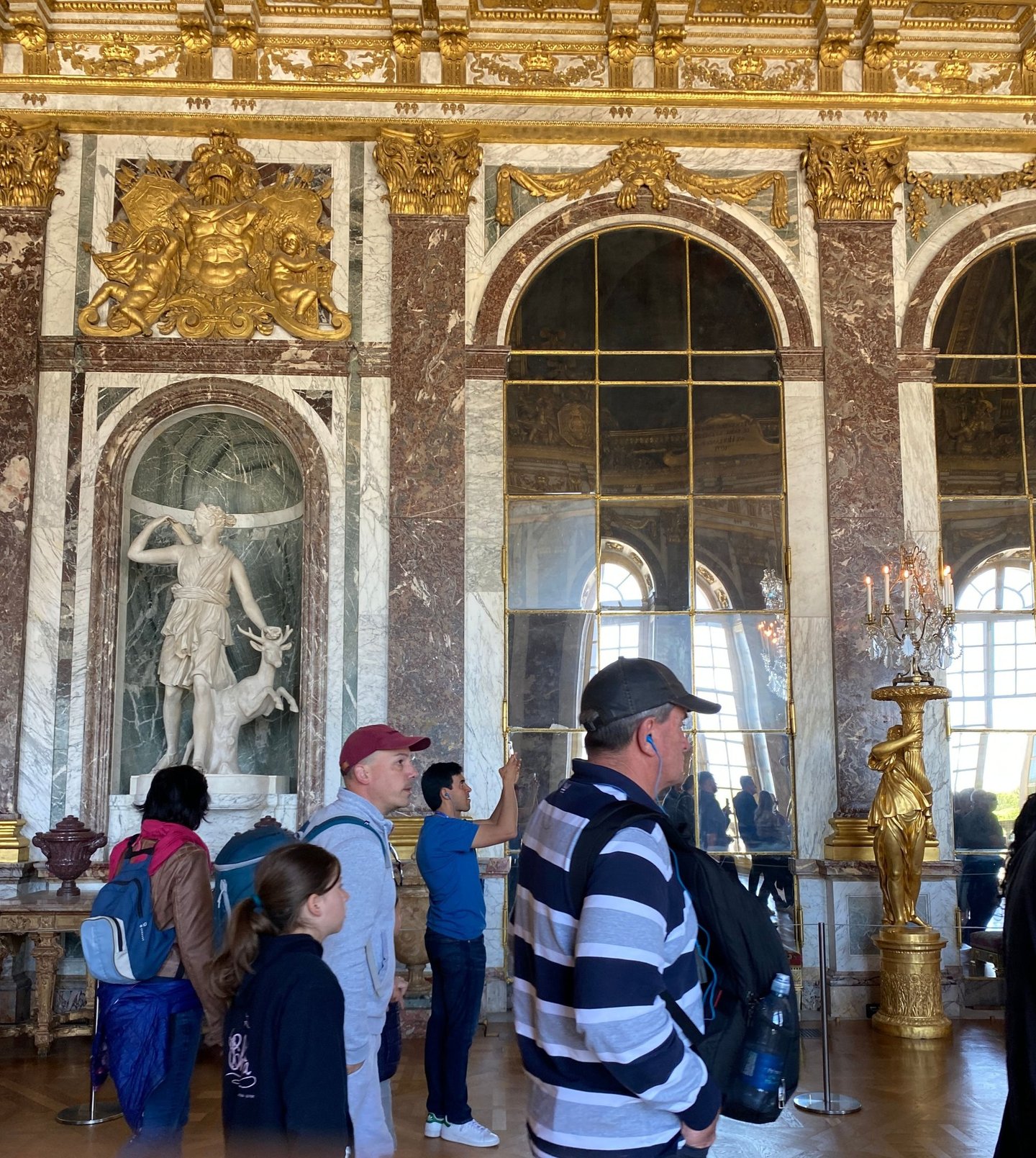
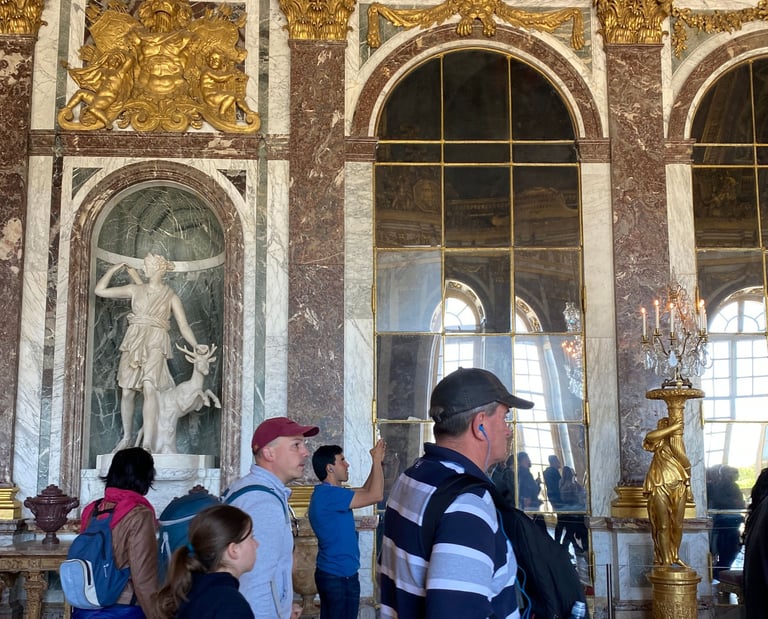
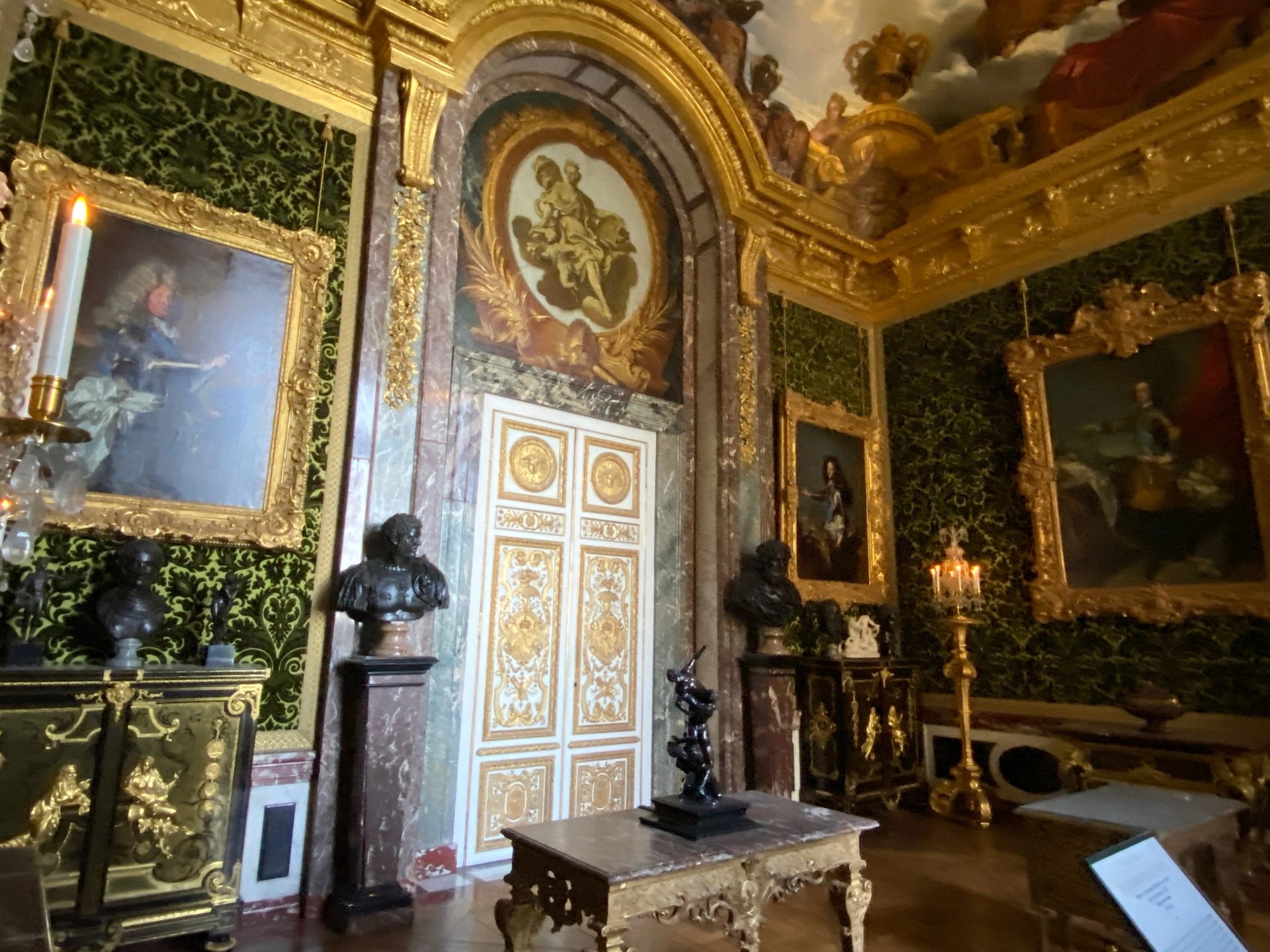
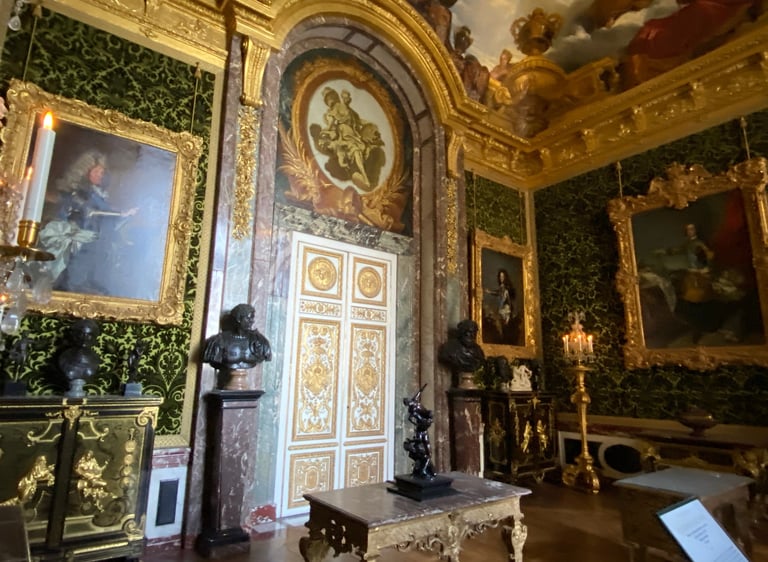
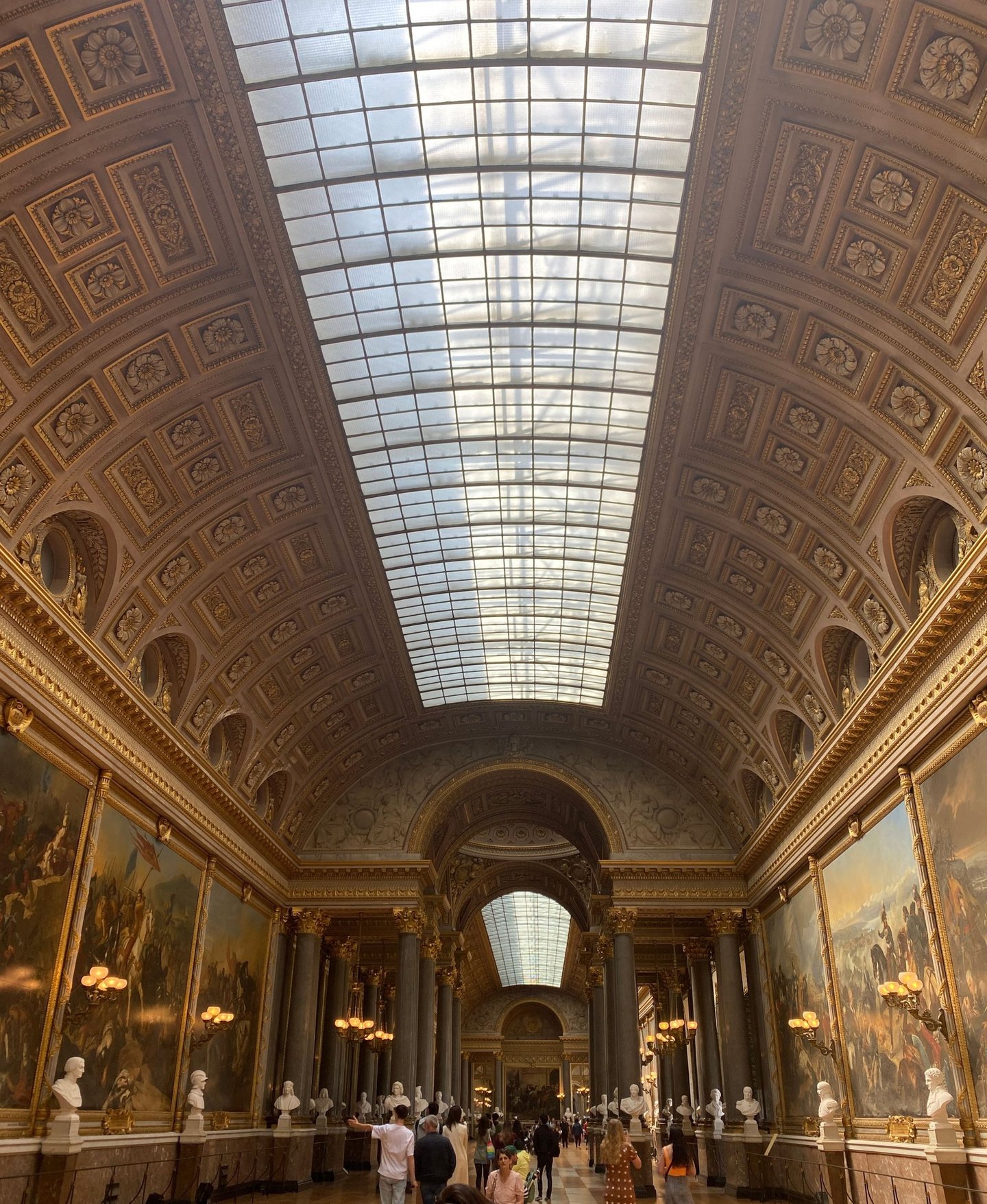
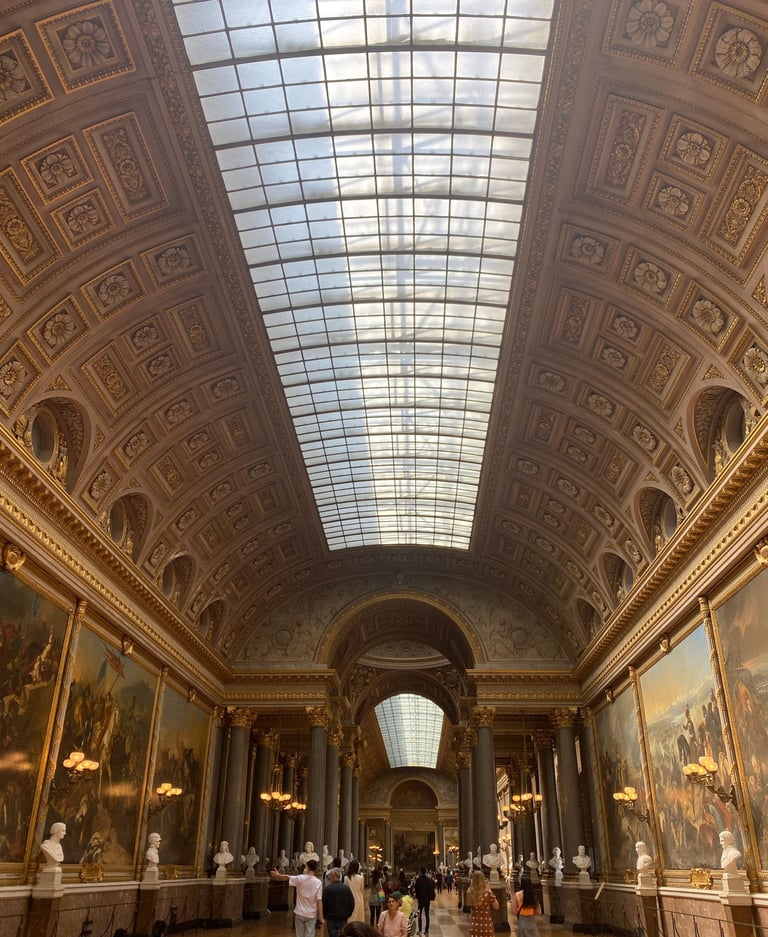
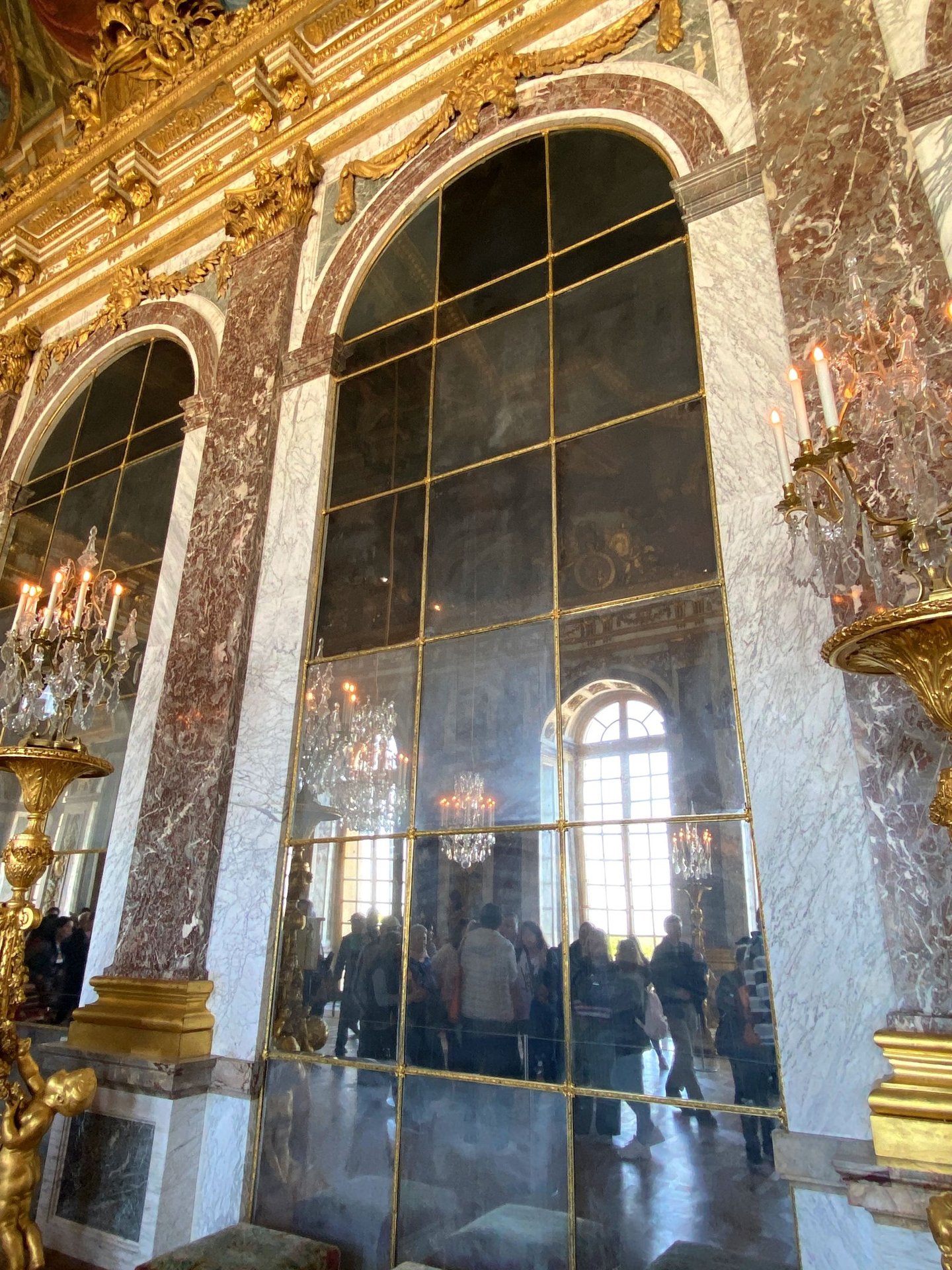
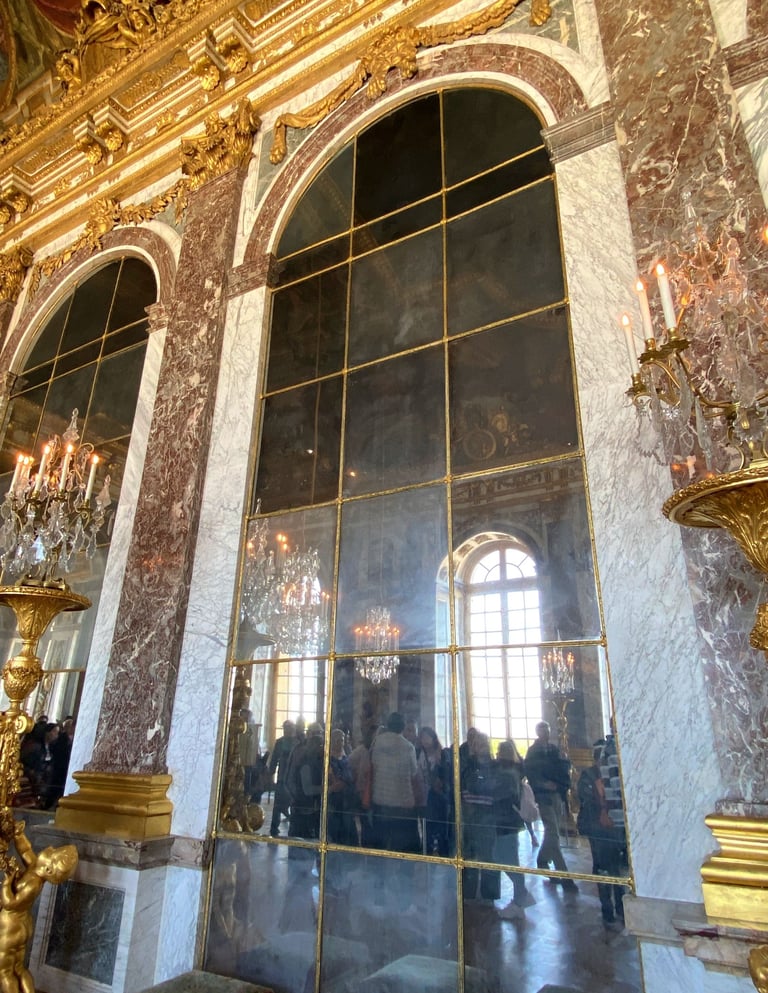
Her lively storytelling was far better than any audio guide. The most breathtaking part of the palace was undoubtedly the Hall of Mirrors. In those days, mirrors were extremely rare, with only Venetian craftsmen possessing the secret technique - which the French were desperate to obtain. Remarkably, seventy percent of the mirrors in the hall remain original to this day. She noted that even when revolutionaries stormed Versailles during the French Revolution, their anger was directed at the monarchy rather than the art itself, which is why these precious mirrors survived.
After World War I, France deliberately chose the Hall of Mirrors to sign the deeply humiliating peace treaty with Germany. This historic moment, however, planted the seeds for World War II. The treaty's harsh terms fuelled German resentment and the rise of Nazism. Knowledge that once lived only in my high school textbooks now unfolded vividly before me.
(My journey continues: Day 12: The Morning I Missed Mont Saint-Michel)